Green Roofing & Solar Shingles: Are They Worth It in Florida’s Climate?
March 25, 2026
Green roofing is getting more attention in South Florida as homeowners and businesses care more about energy efficiency and sustainability. Solar shingles and other eco-friendly roofing systems can cut energy use while still protecting the building. Florida’s climate raises a fair question, though: are they worth the investment?
The answer depends on how these systems hold up in Florida’s heat, humidity and storms.
What Is Green Roofing?
Green roofing covers systems built to use less energy and reduce environmental impact, such as reflective materials, vegetation-based systems and solar-integrated products like solar shingles.
In South Florida, green roofing usually aims at heat reduction and energy savings. A roof that absorbs less heat and insulates better keeps indoor temperatures down, so the air conditioning runs less.
How Solar Shingles Work
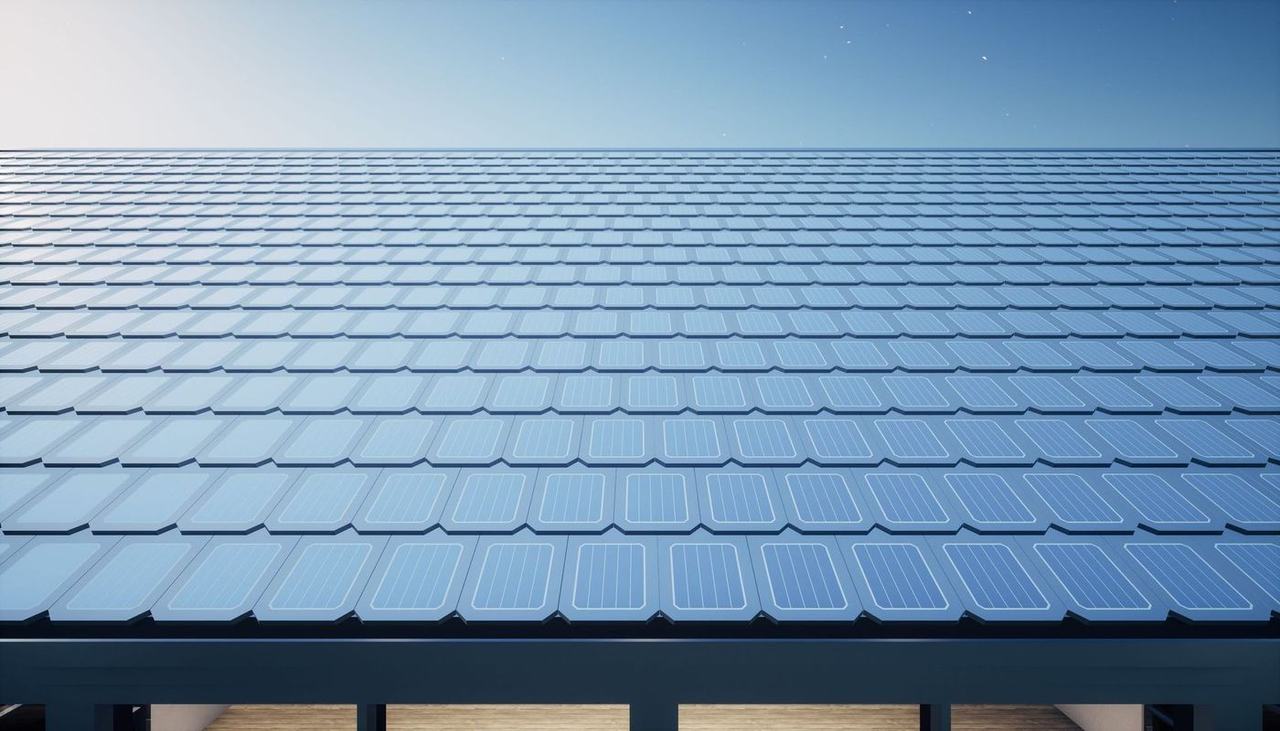
Solar shingles combine traditional roofing materials with solar technology. Standard panels mount on top of an existing roof, while solar shingles are built into the roofing system itself.
They protect the roof and generate electricity at the same time, which appeals to owners who want better efficiency without changing how the roof looks.
Why Energy Efficiency Matters in Florida
South Florida gets intense sunlight for most of the year, along with high temperatures and humidity. Those conditions push up energy use, mostly for cooling.
Green roofing and solar shingles address those conditions by:
- Reflecting sunlight so the roof absorbs less heat
- Improving insulation to keep indoor temperatures stable
- Generating electricity, in the case of solar shingles
- Reducing how hard the air conditioning has to work
With energy costs often rising, those savings can add up over time.
Benefits of Solar Shingles in South Florida
Several features make solar shingles appealing in Florida.
They generate electricity from sunlight, which reduces your dependence on traditional energy sources.
That can mean lower utility bills, especially during the peak summer months.
They are also less visible than traditional solar panels.
The shingles blend in with the roof and keep its clean, modern appearance.
Because they are part of the roof, solar shingles need no additional mounting systems.
That makes them a good fit for properties with limited space.
Energy-efficient features can also raise property value.
Buyers who are interested in sustainable living look for them.
Challenges of Solar Shingles in Florida
Solar shingles also come with drawbacks.
The first is cost.
Solar shingles usually need a higher upfront investment than traditional roofing materials or standard solar panels.
Installation is also more complex.
It takes specialized knowledge and experience, and not every roofing contractor is equipped to install solar-integrated systems.
Hurricanes add another requirement.
Florida roofs must meet strict wind resistance standards, and solar shingles need correct installation to hold up in extreme weather.
Energy output also varies from one property to the next.
Production depends on sunlight exposure, roof orientation and shading, so some properties get more out of the system than others.
Other Green Roofing Options for Florida Properties
Several other green roofing options suit South Florida as well.
Cool roof systems use reflective materials to reduce heat absorption.
They work well for lowering indoor temperatures and improving energy efficiency.
Better attic insulation and ventilation help too.
Both reduce heat buildup and improve the building’s overall energy performance.
Vegetative roofing has limited use in Florida.
Maintenance needs and weather make it less common here, though some properties use vegetation-based systems for their environmental benefits.
Cost vs Long-Term Value
Weigh the upfront cost of green roofing and solar shingles against the long-term benefits.
The initial cost may be higher, but potential advantages include:
- Lower energy bills
- Higher property value
- Less strain on cooling systems
- Less dependence on the power grid, with solar shingles
Over time, those gains can offset the initial cost, especially where energy use is consistently high.
Residential vs Commercial Properties
Green roofing can work on both residential and commercial properties, though the approach may differ.
The right design for each property depends on its structure, how it is used and how much energy it needs.
Professional Installation
Green roofing systems need precise installation to perform well and meet local building codes. A poor installation can reduce efficiency, make the roof less durable and raise the risk of damage.
An experienced installer makes sure:
- The roof structure can support the system
- The installation meets Florida wind resistance standards
- Solar components are integrated without creating leak points
- The system is permitted and inspected as local codes require
The contractor you choose affects how much you get out of a green roof.
Maintenance and Long-Term Performance
Like any roofing system, green roofs and solar shingles need ongoing maintenance to keep performing.
Regular inspections help:
- Find damaged or loose shingles and solar components
- Catch leaks around wiring and mounting points
- Confirm the system is producing energy as expected
- Clear debris that blocks sunlight or drainage
In Florida’s climate, staying ahead of maintenance protects both the roof and your energy investment.
Are Green Roofing and Solar Shingles Worth It?
For many South Florida property owners, the energy savings, environmental benefits and added property value can make green roofing and solar shingles worth it.
The decision still depends on your budget, the design of the property and your long-term goals. A professional assessment can tell you whether these systems suit a specific property.
Energy-Efficient Roofing With Apex Roofing Solutions
Apex Roofing Solutions starts every project with a detailed evaluation of the property and recommends the solar-integrated or energy-efficient roofing system that fits it.
The team installs each system with South Florida’s climate in mind, for reliable protection and lower energy costs.