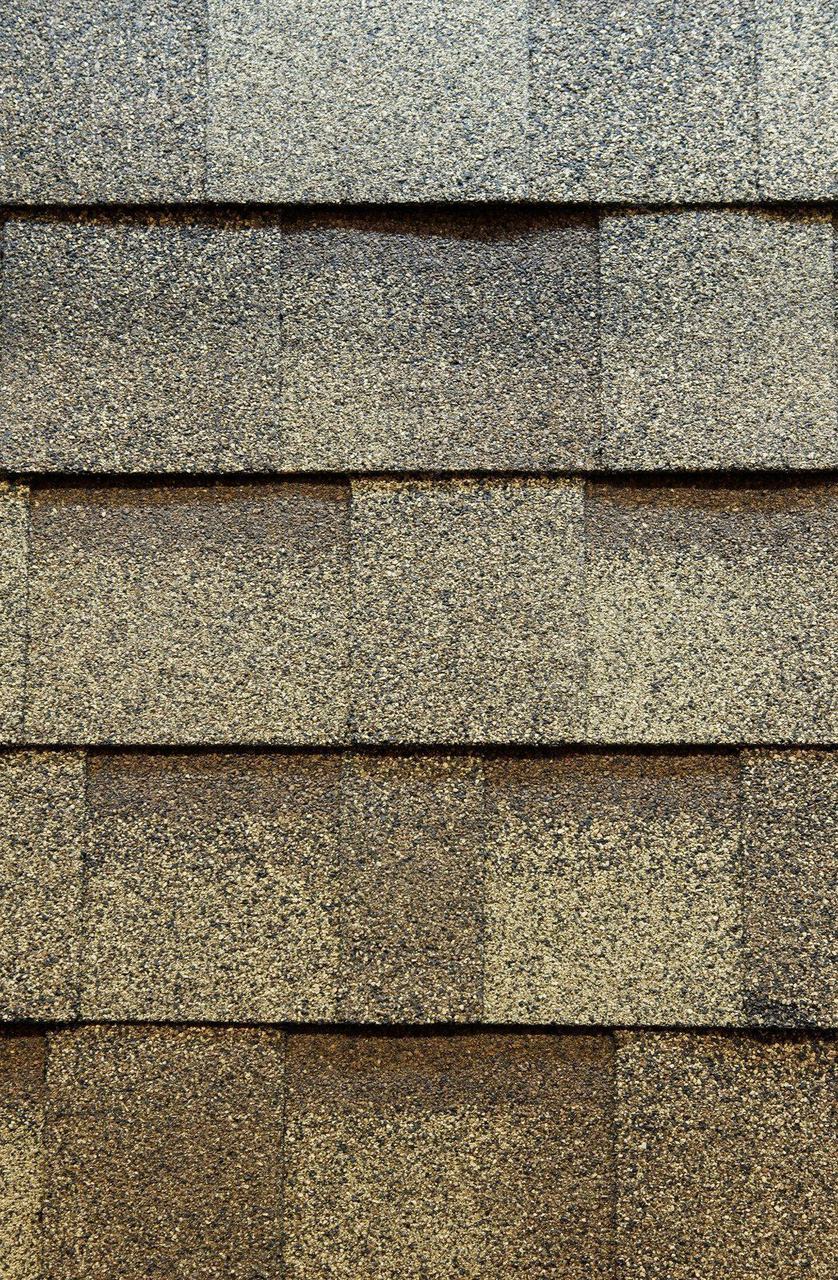
The Real Benefits of Upgrading to Impact-Resistant Shingles
February 28, 2026
Roofs in South Florida deal with high winds, heavy rain, hail, and flying debris every storm season. Standard roofing materials give basic protection, and impact-resistant shingles add durability that can improve how a roof holds up over the long term.
People often think of impact-resistant shingles as protection against severe weather. The upgrade also makes the roof more resilient day to day, and it comes with a standard behind it that is worth understanding before you pay for it.
Before you decide, compare what these shingles do differently with what you need from your roof.
What Does Class 4 Impact Resistance Mean?
Impact resistance is measured, not claimed. UL 2218 rates shingles from Class 1 to Class 4 by dropping steel balls from heights of up to 20 feet and then checking the back of the shingle for any tear or opening. Class 4 is the highest rating.
Two limits are worth knowing. UL states that the test measures physical breach, not the denting or granule loss a homeowner or an insurance adjuster actually looks at, and that no established correlation exists between steel balls and real hailstones. ARMA adds that these ratings describe shingles as manufactured, not after they have been stored, installed and weathered on a roof.
Stronger Storm Protection
Manufacturers build impact-resistant shingles to withstand hail and wind-driven debris. Traditional shingles can crack or puncture when something hits them, while impact-resistant shingles use reinforced construction.
Many contain polymer-modified asphalt or a reinforced backing layer that absorbs and spreads out the energy of an impact. The material flexes and returns to its shape, so it is less likely to develop the surface cracks that later turn into leaks.
Tropical storms and hurricanes in South Florida can throw debris onto roofs, and reinforced shingles lower the chance of a sudden roof failure when that happens. Small impacts that could damage standard shingles are also less likely to harm them.
Lower Risk of Roof Leaks
Many roof leaks start with minor surface damage that nobody notices. A small crack from hail or debris may cause no trouble at first, but over time moisture can work its way into the weakened spot.
Impact-resistant shingles make those small fractures less likely to form. When the shingles come through an impact intact, the waterproof barrier over your home stays intact too.
During heavy rain, intact shingles keep water from reaching the underlayment and decking. Stopping leaks early spares you costly interior repairs, mold growth, and structural damage.
Longer Roof Lifespan
Impact-resistant shingles can also extend the life of the roof, a benefit homeowners often overlook. Standard shingles weaken under repeated minor impacts, even when you can't see the damage. Shingles that resist cracking and surface breakdown keep protecting the house for longer.
In a climate with frequent severe weather, that durability can put off repairs or an early replacement. The roof also tends to perform more consistently through years of storms.
Improved Wind Resistance
Impact resistance refers to hail and debris, but many reinforced shingles also hold up better in wind. Their stronger construction often comes with better adhesion and sealing.
In high winds, these shingles are less likely to lift or come off. A single loose shingle leaves the area around it open to more damage, so preventing that first lift protects the rest of the roof through hurricane season.
Do Impact-Resistant Shingles Lower Your Insurance in Florida?
Not directly, and the honest answer is more useful than the one most roofing sites give. Florida does require insurers to credit wind mitigation under Statute 627.0629, and roofs are central to it. The features that earn those credits, as Citizens lists them, are roof covering compliance, deck attachment, roof-to-wall connection, roof shape and a secondary water barrier.
Impact rating is not on that list. It measures hail performance, and the Florida credits are for wind. An individual carrier may still price a Class 4 roof differently, so ask yours directly rather than assuming the discount is there.
If anyone quotes you a specific percentage, ask where the number comes from. The credits are set per feature and actuarially, and the state does not publish a typical saving.
Lower Long-Term Maintenance Costs
A roof that takes frequent hits from hail or debris can need a steady stream of minor repairs. Small cracks and displaced shingles add up, and each one can mean another service visit.
Impact-resistant shingles keep their surface intact, so you replace fewer damaged sections and maintenance is easier to predict. They can cost more up front than traditional shingles, but lower repair costs over the years often make up the difference.
Added Resale Appeal
Buyers in storm-prone areas often look closely at the roof when they evaluate a home. A reinforced roof shows that the owner kept up with maintenance and planned ahead. In a competitive housing market, especially where storms are common, impact-resistant shingles can be a selling point.
Performance in High-Heat Climates
Many impact-resistant products also include advanced granules and UV-resistant components. Under South Florida's intense sun, those features help slow the aging of the shingles.
Because they resist both impact and heat, reinforced shingles show less surface wear from storms and sun, and their performance stays more consistent over time.
Ask Apex Roofing Solutions About Impact-Resistant Shingles
In a region where severe weather comes back every year, impact-resistant shingles protect a roof longer than standard shingles do.
Apex Roofing Solutions helps homeowners across South Florida decide whether impact-resistant shingles are right for their property. Our team assesses your roof and recommends materials suited to the local climate.
We build roofing systems to handle storms, heat, and environmental stress. Contact us to schedule an assessment.