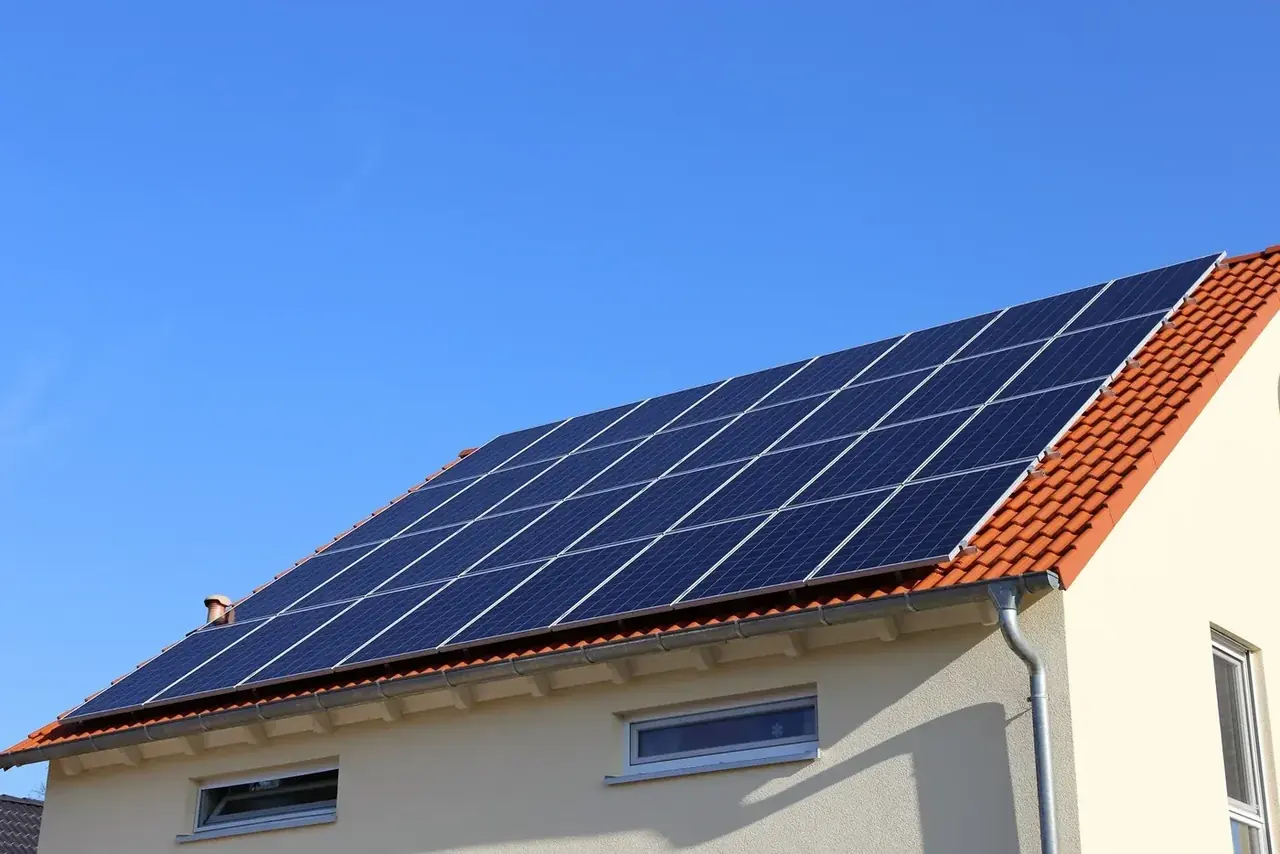
Can You Install Solar Panels on Any Roof? What You Should Know
February 28, 2026
Rising energy costs and interest in sustainable living have made solar panels a popular upgrade. In a sunny region like South Florida, solar can look like an obvious choice. Before moving forward, many homeowners ask whether solar panels can go on any roof.
Many roofs can support solar panels, but some need preparation or modifications first. Structural, material and environmental factors decide whether a roof can carry a solar system safely and efficiently. Checking them in advance helps you avoid problems with both the roof and the panels.
Roof Condition Comes First
Start with the current condition of the roof. Solar panels are built to last 20 to 30 years, so the roof beneath them should have a similar amount of life left.
Putting panels on a roof near the end of its service life causes trouble later. To replace that roof, a crew has to remove and reinstall the panels, which adds labor cost and can cause delays.
Before installation, have a roofer inspect the shingles or tiles, flashing, underlayment and decking. Fix any structural weakness, water intrusion or aging materials first so the roof is ready to carry the system for its full life.
Roofing Material Compatibility
The roofing material affects how panels are installed and whether installation is practical.
Asphalt shingle roofs are usually the simplest. Most mounting systems are designed to attach securely to shingle roofs, and properly sealed penetrations pose little risk to waterproofing.
Metal roofs, standing seam systems in particular, also work well with solar. Installers use specialized clamps to attach panels without drilling through the metal, which keeps the roof intact and lowers the risk of leaks.
Clay and concrete tile roofs are more complicated. Tiles can crack if installers handle them carelessly, and the panels may need specialized mounting brackets. Installation is possible but takes experience and careful planning.
Flat roofs usually need angled mounts. A flat roof doesn’t give panels the tilt they need for good sunlight exposure, so installers use racking systems to set them at the right angle.
Each material calls for its own installation techniques to keep the panels secure without weakening the roof.
Roof Orientation, Pitch, and Sun Exposure
A structurally sound roof still needs good orientation and sun exposure for solar to perform. In South Florida, south-facing roof sections usually produce the most consistent output. East- and west-facing slopes can still generate a good amount of power, though at different times of day.
Roof pitch affects efficiency too. At the right angle, panels capture the most sunlight over the year, and very steep or shallow slopes may need mounting adjustments.
Shading matters as well. Trees, nearby buildings, chimneys and other obstructions reduce output, and partial shade on one panel can drag down the performance of the whole system. A site analysis will show whether the roof’s orientation and exposure can support solar.
Waterproofing and Roof Penetrations
Most mounting systems need roof penetrations for brackets and rails, and each one has to be sealed to prevent leaks. A poor installation can damage flashing, underlayment or shingles and leave the roof open to moisture for years. The roofing contractor and the solar installer should coordinate to keep the roof waterproof.
Some homeowners replace aging roofing materials before installing panels so the roof and the solar system have similar lifespans. Proper waterproofing protects both the home and the panels.
Wind Resistance and Local Building Codes
Because South Florida is prone to hurricanes, solar systems here must comply with strict building codes, including wind-load requirements for severe weather.
Poorly installed panels can come loose in high winds, creating safety hazards and property damage. They need secure mounting systems, proper anchoring and code-compliant hardware. Confirm that both the roof and the solar installation meet regional building regulations, and hire experienced professionals who know those rules.
Get a Professional Evaluation
Every home and roofing system is different. Before installing solar panels, have a professional evaluate the roof’s materials, structural stability, ventilation and waterproofing.
A roofer can spot problems a homeowner might not notice. Fixing them before installation protects both the roof and the solar system over the long term.
Solar Readiness Inspections From Apex Roofing Solutions
Solar panels are a long-term investment, and the roof under them has to be structurally sound, properly ventilated and in good condition before installation.
Apex Roofing Solutions inspects South Florida roofs for solar readiness. Our team checks structural integrity, remaining material lifespan and waterproofing to confirm the roof can safely support a solar system.
Schedule an inspection before your solar project so the roof and panels can work together for years.