When a Roof Repair Voids Your Manufacturer Warranty (and How to Avoid It)
April 30, 2026
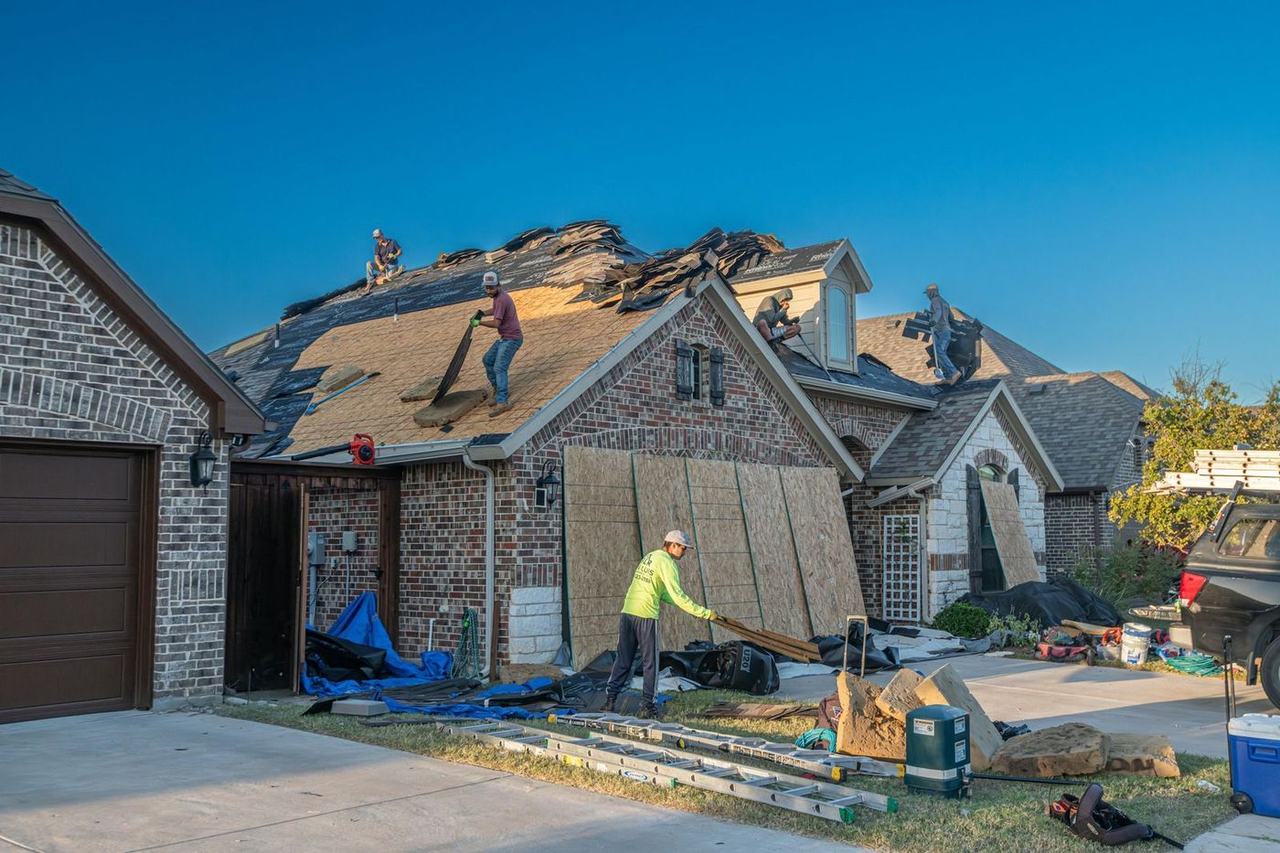
Property owners often see a roof repair as a simple fix for leaks, missing shingles or storm damage. Many don't realize how easily a poorly handled repair can void the manufacturer's warranty. Roofing systems come with strict installation and maintenance requirements, and even small departures from approved methods or materials can trigger a warranty exclusion. Your long-term coverage depends on following those rules, so learn them before you schedule a repair.
Intense sun, heavy rain and seasonal storms wear roofs out faster, so you can't put off repairs. Each repair is also a chance to break a warranty condition by accident. If a repair ignores the manufacturer's guidelines, the entire roofing system can lose coverage, and the homeowner pays for failures the warranty would otherwise have covered. It helps to know where a valid repair ends and a warranty violation begins.
1. Understanding Manufacturer Warranty Requirements
Approved Materials and Methods
Manufacturers base warranty coverage on strict installation standards, including approved underlayment types, fastening systems and shingle compatibility. A small deviation, such as a non-certified adhesive or mismatched materials, can void coverage and leave you paying for repairs the warranty would have handled.
Certification Requirements
Manufacturer requirements authorize only certified contractors to perform repairs that keep the warranty intact. Work by an uncertified contractor may fail to meet their compliance standards even if it was done correctly, and the manufacturer can then deny a claim when the roof fails later.
2. Common Repair Mistakes That Void Coverage
Mixing Roofing Systems
Combining materials from different product lines is a common installation error, and manufacturers don't cover the compatibility problems it creates. Mixed systems often wear out early, perform worse and can disqualify the warranty entirely, which raises maintenance costs over the years.
Improper Flashing Installation
Badly installed flashing around chimneys, skylights and vents is one of the most common causes of roof leaks. If the flashing doesn't follow the manufacturer's specifications, water can get in and cause structural damage and mold, and the whole roofing system can lose its warranty protection.
Unauthorized Sealants and Coatings
Sealants or reflective coatings the manufacturer hasn't approved can change how the roof performs and trap moisture between roofing layers. They interfere with how the materials are designed to behave, often speed up deterioration and void the manufacturer's warranty, so you face higher repair bills on a less durable roof.
3. Contractor Selection and Its Impact
Choosing Certified Professionals
Certified roofing contractors are trained in the manufacturer's approved repair methods. Their work follows the installation standards, which lowers the risk of costly errors and helps keep the roof eligible for warranty coverage.
Risks of Unverified Contractors
Unverified or unlicensed roofing contractors often charge less, but they tend to skip warranty requirements and installation standards. That raises the risk of improper repairs, structural damage and denied warranty claims, and property owners can end up paying far more over time with less protection against future failures.
4. Documentation and Maintenance Obligations
Service Records
Manufacturers require documentation of inspections, repairs and maintenance, and they use those records to validate a warranty claim. If your records are missing or incomplete, the manufacturer can deny a claim even when the repairs were done properly, and you may end up in a dispute over who pays.
Scheduled Inspections
Scheduled roof inspections catch problems early and help keep repairs within the manufacturer's warranty guidelines. A manufacturer may treat skipped inspections as neglect and invalidate the warranty, and small problems left alone can grow into major structural damage.
5. Environmental and Structural Factors
Weather-Related Damage Repairs
Repairs after weather damage have to follow the manufacturer's approved restoration procedures to keep the warranty valid. An improper emergency fix or temporary patch can weaken the structure and void coverage, leaving the roof to wear out faster under storms, heavy rain and extreme heat.
Structural Modifications
Any change to the roof decking, ventilation system or load-bearing components has to follow the manufacturer's guidelines. Unauthorized changes often void the warranty right away and raise the risk of system failure and water intrusion, which can lead to expensive repairs for the property owner.
Warranty-Safe Roof Repairs From Apex Roofing Solutions
A repair that looks minor can still break the terms of a manufacturer warranty. Material selection, installation technique and documentation all affect whether your coverage holds.
Certified contractors, proper planning and adherence to the manufacturer's guidelines are the most reliable ways to protect a roofing investment in a harsh climate. If a repair doesn't comply, the cost of future damage shifts entirely to the property owner.
Apex Roofing Solutions brings over 20 years of hands-on experience delivering reliable roofing services across Miami-Dade and Broward Counties. We carry out repairs to the manufacturer's warranty requirements and follow approved installation and repair standards, so the work doesn't put your coverage at risk. We explain what we're doing and why, and our crews work on many types of roofing systems, including complex repairs that still have to stay warranty-safe.