5 Signs Your 25-Year-Old Tile Roof Is Overdue for Replacement (Not Just Repair)
April 30, 2026
Tile roofs are known for durability and long service life, and they still wear out. By the 25-year mark, you can start to tell whether the roof performs as intended or is failing underneath. Many owners treat cracked tiles or minor leaks as simple repairs, yet on an aging roof those problems often point to deterioration across the whole system that repairs can't fix.
By this age, weather exposure, underlayment breakdown and structural fatigue have built up in ways you can't always see from the ground. These hidden problems can reduce insulation efficiency, water resistance and structural integrity.
Spotting the signs of replacement early stops damage from spreading and lowers long-term costs. A 25-year-old tile roof hasn't necessarily failed, but it is due for a professional assessment to decide whether more patching is practical or full replacement is the better investment.
Widespread Tile Deterioration
Cracking, Spalling, and Surface Wear
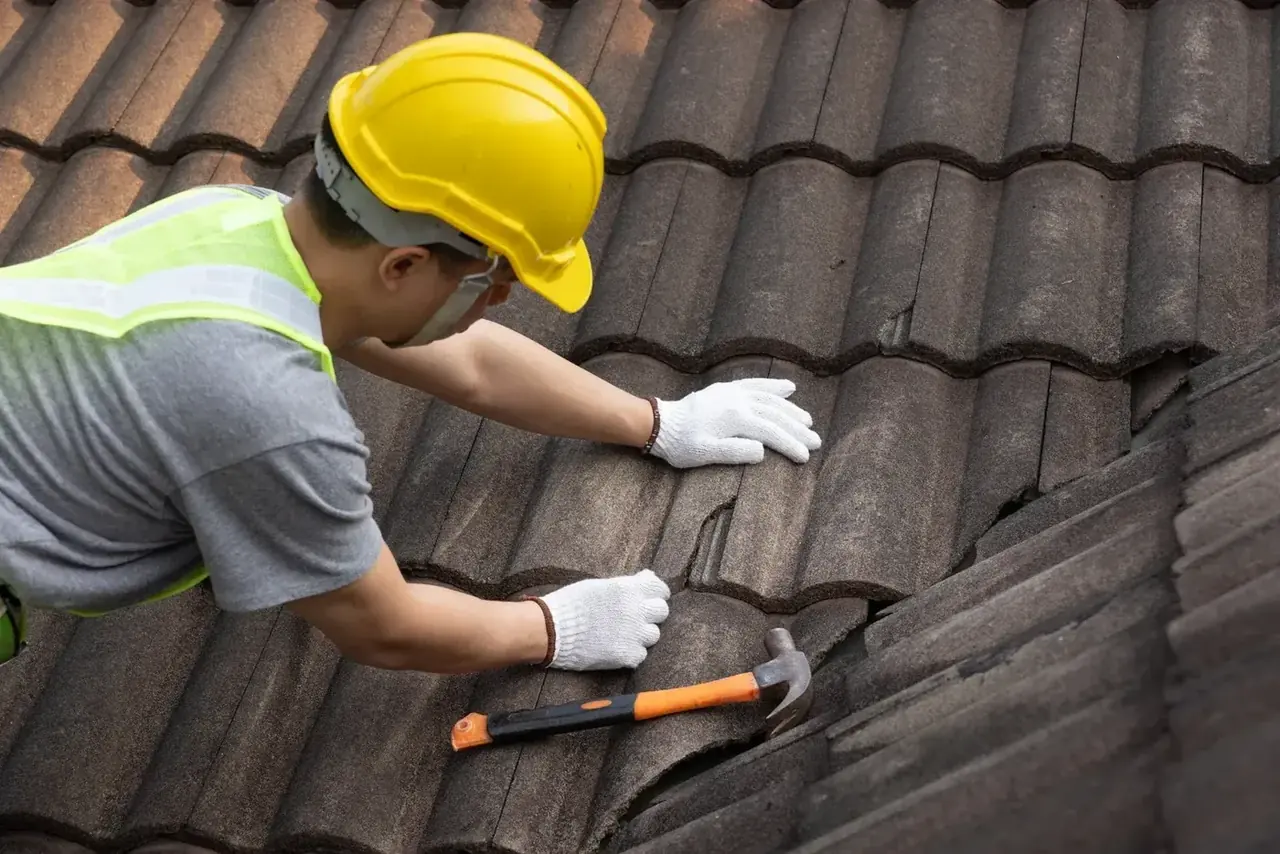
After decades of UV rays, moisture cycles and temperature swings, tile surfaces wear down. Isolated cracks usually come from incidental damage, while cracking spread across the roof signals that the whole system is aging. Spalled edges and surface erosion show material fatigue that patch repairs can't reverse.
Loss of Structural Consistency
At 25 years, tiles often lose uniform strength and break unevenly. That makes selective replacement less effective, because new tiles may not match the aged ones in durability or performance, and the mismatch creates compatibility problems later.
Underlayment Breakdown Beneath Tiles
Hidden Waterproofing Failure
On a tile roof, the underlayment beneath the tiles is the actual waterproof barrier. After decades it dries out, turns brittle and stops sealing. Water often gets in at this layer long before a leak shows up inside, and the damage is very hard to detect without a professional inspection.
Moisture Retention and Mold Growth
Failing underlayment traps moisture inside the roof system, leading to mold growth, wood rot and insulation damage that can affect indoor air quality. Even with the tiles intact, this failure often means the roof needs full replacement.
Frequent and Expanding Roof Leaks
Recurrent Leak Patterns
An occasional leak can be repaired. Recurring leaks in several places point to a system-wide failure. Water may enter at different points depending on rain direction and wind pressure, so spot repairs stop working in seasonal storms and heavy rain.
Interior Damage Indicators
Ceiling stains, peeling paint and damp attic insulation show that water intrusion has spread beyond one spot. These signs usually mean the roof can no longer protect the home consistently, and you should have a roofer evaluate it right away.
Structural Sagging and Roof Movement
Compromised Roof Decking
Years of moisture weaken the wooden decking under the tiles. Sagging sections mean the deck has lost structural integrity, and surface fixes can't correct that without a full roof system replacement.
Misalignment of Tile Lines
Uneven or shifting tile rows point to movement in the structure underneath, often because supporting materials have deteriorated. At that stage, full replacement is the only reliable way to restore the roof's safety and stability.
Rising Repair Frequency and Costs
Dependence on Short-Term Fixes
Frequent repairs mean the roofing system is no longer stable. Patching turns into a cycle, maintenance costs keep climbing, and the property loses value over time.
Repair Costs vs. Replacement Value
Eventually the combined cost of repairs exceeds the value of a replacement. Repeated short-term fixes often postpone a replacement you will need anyway and add financial strain and structural risk in the meantime.
Decline in Energy Efficiency and Insulation
Temperature Regulation Issues
An aging tile roof often does a poorer job of regulating indoor temperatures. As the insulation layers break down, more heat builds up in summer and escapes in winter, and the home gets less comfortable.
Higher Utility Costs
Weaker insulation raises energy use. The HVAC system works harder to keep the house comfortable, and monthly utility bills climb.
Deciding Between Repair and Replacement
A 25-year-old tile roof often moves from isolated repairs to problems across the whole system. The warning signs are widespread tile damage, underlayment failure, recurring leaks, structural sagging, rising repair costs and declining energy efficiency. If you see them, replacement may be more practical than more patching.
Apex Roofing Solutions brings 20 years of hands-on roofing expertise across Miami-Dade and Broward Counties. We inspect aging tile roofs, advise owners on whether to repair or replace, and carry out replacements built for long-term protection.