Signs Your Roof Is Failing Even Without Visible Leaks
January 31, 2026
Many homeowners and property managers assume a roof that isn't leaking is still in good condition. Roofs often start to fail long before water shows up inside. In South Florida, heat, humidity, UV exposure, salt air, and seasonal storms wear roofing materials down over time, and by the time a leak appears, serious damage may already exist beneath the surface.
With over 20 years of roofing experience, Apex Roofing Solution has seen countless roofs that appeared fine from the inside but were already compromised structurally or mechanically. If you know the early warning signs, you can act before you need emergency repairs and protect the value of your property.
Rising Energy Bills Without a Clear Cause
An unexplained rise in energy costs is one of the earliest signs of roof failure and one of the most often overlooked. A roof in good condition limits heat transfer and helps regulate indoor temperatures. When roofing materials, insulation, or ventilation deteriorate, extra heat gets in and the air conditioning has to work harder.
In South Florida's heat and humidity, even small roofing problems can cause noticeable spikes in energy use. If your utility bills keep rising while your usage habits stay the same, the roof may be the cause. Poor roof performance often goes unnoticed until high energy costs become a persistent problem.
Sagging or Uneven Rooflines
Seen from the ground, a roof should look straight, level, and sound. Sagging, dips, or uneven sections can point to moisture damage, weakened decking, or structural stress beneath the surface. These problems often develop slowly and may not cause leaks right away.
A sagging roofline is a serious sign because it suggests the roof no longer distributes weight evenly. Left alone, it can lead to more structural damage, safety risks, and costly repairs.
Surface Deterioration and Material Wear
Roofing materials wear with age. Shingles lose their protective granules, which leaves the material underneath exposed to UV damage. Flat roofs can develop cracks, blistering, or membrane separation, and metal roofs can show fading, oxidation, or corrosion.
Surface wear reduces the roof's ability to shed water and resist weather damage. Even if no water has reached the inside yet, it is a strong sign that the roof's protection is breaking down.
Persistent Standing Water or Drainage Issues
Water should drain off a roof soon after the rain stops. Water that sits on the surface for long periods stresses roofing materials, seams, and structural components. The problem is most common on flat and low-slope roofs.
Standing water speeds up material breakdown, raises the risk of leaks, and can cause the roof to fail early. Because drainage problems tend to develop gradually, they are easy to ignore until more serious damage occurs.
Inconsistent Indoor Temperatures and Comfort Issues
Uneven indoor temperatures can also point to a roof problem. If some rooms feel much warmer or cooler than others, the roof may no longer be insulating or ventilating those spaces properly.
The cause is often damaged insulation, blocked ventilation, or gaps in the roofing system. Besides making the house less comfortable, these problems strain the HVAC system over time, which raises maintenance costs and shortens its lifespan.
Moisture Odors or Subtle Indoor Changes
A musty smell or a change in indoor air quality can signal a hidden roof problem, even with no visible water damage. Moisture trapped in roofing materials or insulation can support mold growth long before stains show up on ceilings or walls.
Pay attention to unusual smells and changes in indoor comfort. They can help you find roofing issues early, before they turn into health or structural problems.
Wear Around Roof Penetrations and Flashing
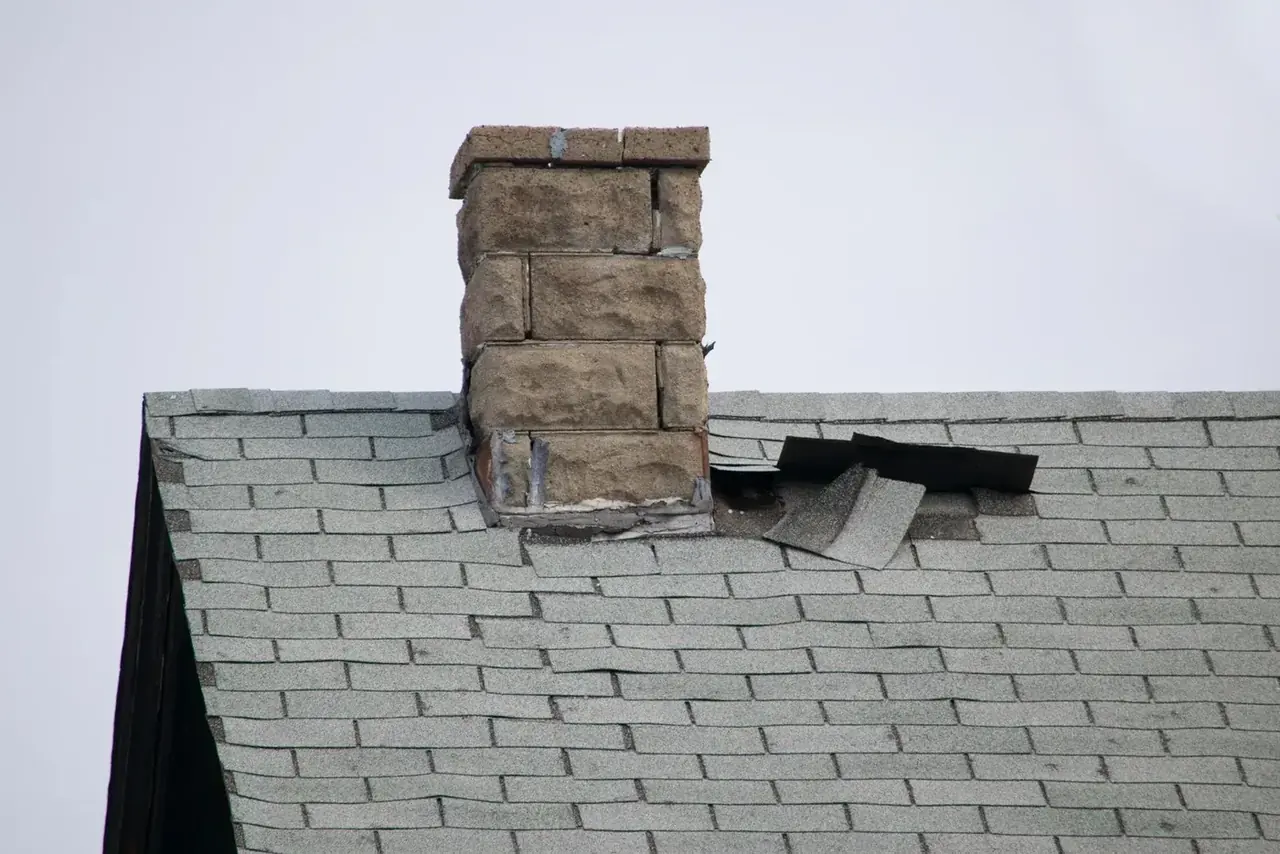
Vents, chimneys, skylights, and the flashing around them are common weak points. Over time, sealants crack, flashing corrodes, and materials loosen from thermal expansion and weather exposure.
Even a small area of deterioration around one of these features can let moisture seep in and spread beneath the roof system. These spots often fail before the main roof surface does, so have them checked when you notice wear.
Roof Age and Maintenance History
Older roofs are more likely to have hidden problems. South Florida roofs face harsher conditions than those in many other regions, and skipping regular maintenance can shorten their lifespan. A roof that hasn't had professional inspections or preventive care is more prone to deteriorating unnoticed.
Age alone is not a reason to replace a roof, but an older roof needs routine evaluations to catch issues early and extend its usable life.
Why Early Detection Makes a Difference
Roof failure rarely happens all at once. Most serious roofing problems start as minor weaknesses that get worse over time, and catching the warning signs before leaks appear helps prevent interior damage, mold growth, insulation failure, and expensive structural repairs.
Regular inspections and timely repairs let you deal with problems on your own schedule, which saves time, money, and stress.
Schedule a Professional Roof Evaluation With Apex Roofing Solutions
If you're noticing any of these signs, act early. With over 20 years of experience, Apex Roofing Solution provides professional roof inspections, maintenance, and repair services for residential and commercial properties across South Florida.
Our team knows how Florida's climate affects roofing systems and where hidden problems tend to develop. Contact us to schedule an evaluation before a small issue turns into a leak.