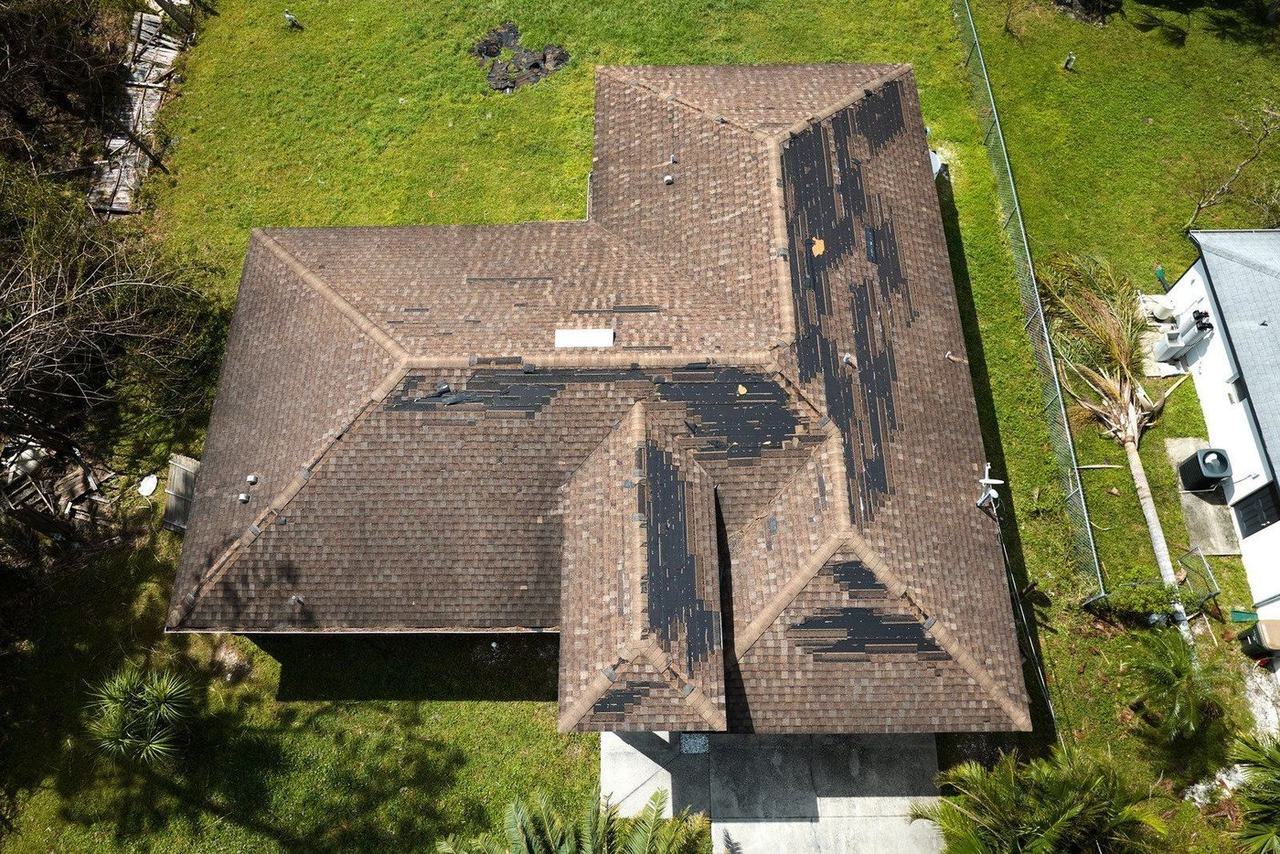
Preparing Your Roof for Off-Season Hurricanes: An Early Checklist for Property Owners
November 26, 2025
Hurricane season peaks later in the year, and the off-season months give you time to prepare before the next major storm. Getting the roof ready early turns up hidden weak spots, prevents emergency repairs and protects the house from avoidable structural damage. When strong wind and heavy rain arrive, the roof is the first line of defense, so planning ahead is worth the effort. With an off-season checklist, you can strengthen the roof long before the next hurricane forms.
1. Start With a Full Roof Inspection
Before hurricane season returns, schedule a full inspection to find aging shingles, loose flashing, damaged underlayment and early signs of leaks. Minor problems caught in the off-season won't turn into expensive ones when the rain arrives. Ask the inspector to check the condition of every part of the roof, including edges, vents, penetrations and valleys.
2. Reinforce Roofing Materials and Hardware
High winds can lift shingles or tiles that aren't secured properly. Reinforce fasteners, replace corroded nails or screws and secure any loose components. On a tile roof, make sure each tile is attached properly and hasn't shifted in earlier storms. Work done now prevents major failures in peak hurricane conditions.
3. Clear Gutters, Downspouts, and Drainage Channels
Clogged drainage makes it more likely that water will back up under shingles and cause leaks and rot. Remove leaves, debris and sediment from gutters, downspouts, scuppers and drainage paths along the roofline. When water flows freely, it doesn't add weight or strain the structure during heavy rain.
4. Trim Overhanging Trees and Remove Debris
Falling branches are one of the most common causes of hurricane roof damage. Trim trees that hang over or grow close to the roofline. Clear loose debris from the roof as well, including twigs, branches and organic buildup that can trap moisture or block drainage.
5. Inspect Roof Sealants and Waterproofing Layers
UV exposure and heat can dry out or crack sealants during the off-season. Reapply or replace the sealant around skylights, chimneys, vents and flashing, and reinforce waterproof membranes so the roof stays watertight through long periods of rain.
6. Consider Wind Mitigation Upgrades
The off-season is a good time to install hurricane straps, switch to high-wind-rated underlayment or improve roof-to-wall connections. These structural upgrades can reduce storm damage and may lower your insurance premiums.
7. Review Insurance Policies and Documentation
Take updated photos, gather your roof maintenance records and review your coverage so you're ready if you need to file a claim. Having this organized before a storm can speed up processing and reduce disputes afterward.
Conclusion
Early preparation makes the roof safer and lowers the risk of expensive storm damage. At Apex Roofing Solutions, we bring 20 years of real-world roofing experience to properties across Miami-Dade and Broward Counties. We help homeowners strengthen their roofs well before hurricane season starts. If you'd like help getting your roof storm-ready during the off-season, contact our team.