How to Choose the Right Roofing System Based on Building Type
January 31, 2026
Buildings differ in structure, in how people use them, and in how much environmental stress they face. A roof that performs well on a house may not suit a commercial facility, and the wrong choice can lead to early failure, higher maintenance costs, and lower energy efficiency.
Heat, humidity, heavy rain, and storms put constant pressure on roofs in South Florida, so matching the roof to the building type matters even more here. With over 20 years of experience, Apex Roofing Solution has helped property owners across the region choose roofing systems that match their building's purpose, structure, and long-term goals.
Why Building Type Matters in Roofing Decisions
A roofing system has to suit the structure beneath it. Roof slope, load capacity, occupancy type, and ventilation all affect which materials will perform best.
The wrong system can cause drainage problems, structural stress, excess heat transfer, or frequent repairs. Knowing how each system behaves on different building types helps you avoid those problems.
Roofing Systems for Residential Homes
Most homes have sloped roofs designed to shed water quickly. Homeowners usually put appearance, durability, and energy efficiency near the top of their list.
Shingles are still a common choice because they are affordable and offer design flexibility. In Florida's climate, though, they need higher-quality materials and correct installation.
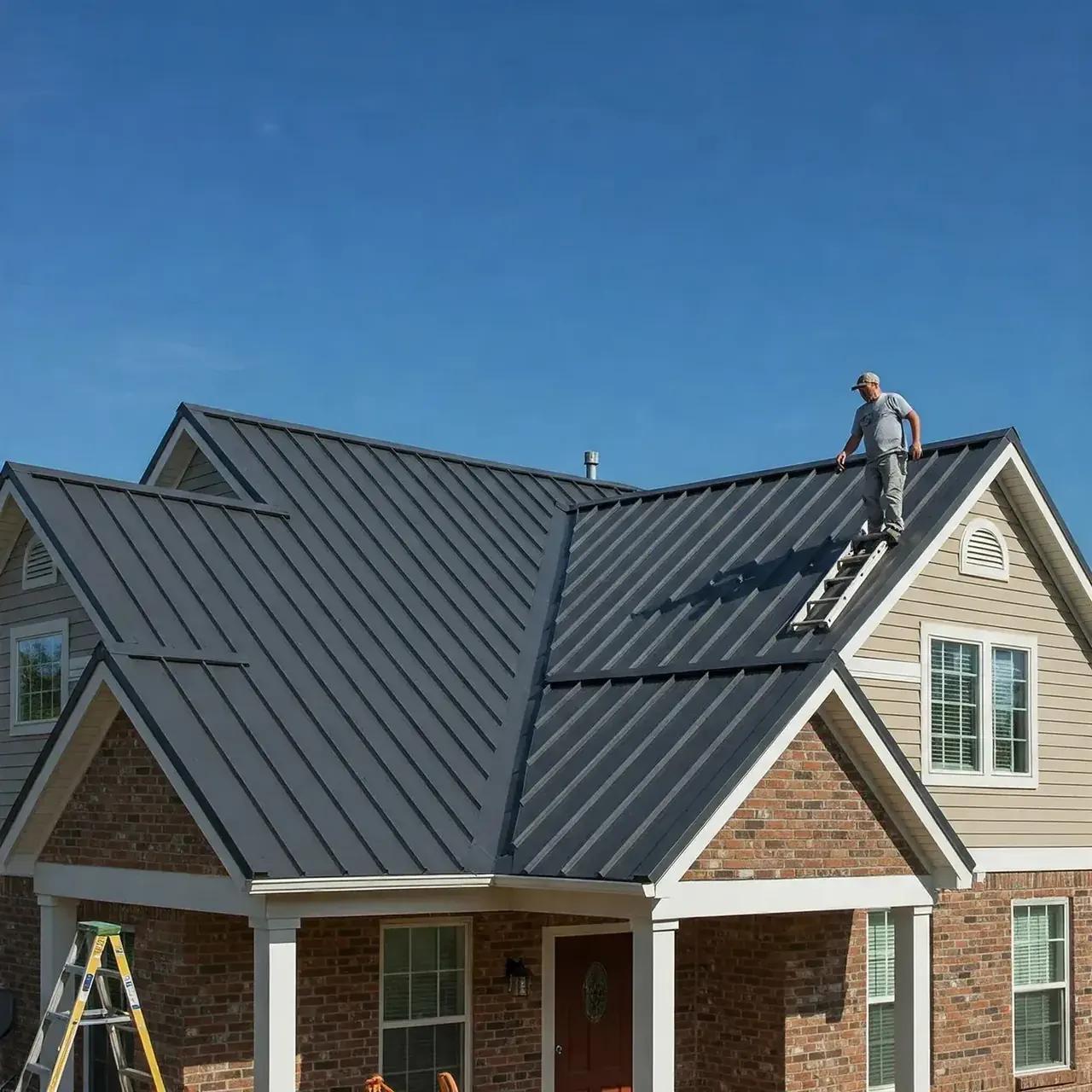
Many homeowners prefer tile for its long life and heat resistance. Metal has become popular for its durability, wind resistance, and energy efficiency. With any material, a home's roof needs proper ventilation to control heat buildup and moisture, and homeowners tend to be happiest with a system that performs well and suits the look of the house.
Roofing Systems for Multi-Family Properties
Duplexes, townhomes, and apartment complexes need roofs that are durable, uniform, and easy to maintain. These buildings house multiple occupants, which makes leak prevention and long-term reliability more important.
Depending on the design, a multi-family building may have a sloped or low-slope roof. Modified bitumen, built-up roofing, and durable shingle or tile systems are all common. The aim is consistent performance across large roof areas with as few disruptions for residents as possible.
Property managers should also consider how easy the roof will be to reach and service over the years.
Roofing Systems for Commercial Buildings
Commercial buildings usually have flat or low-slope roofs, which need specialized materials that resist water and control drainage. These roofs often carry HVAC units, vents, and other equipment, so they must be durable and able to bear the load.
TPO, modified bitumen, and built-up roofing are common on commercial properties because they waterproof well and stand up to foot traffic. Reflective systems absorb less heat, which lowers cooling costs.
Consider business operations as well. A roof failure can disrupt daily activities, inventory, and customer access.
Roofing Systems for Industrial Facilities
Industrial buildings often need roofs designed for large spans, heavy equipment, and long exposure to harsh conditions. Performance matters more than appearance on these structures, and metal roofing or reinforced flat roofing systems often suit them.
Metal roofs are strong, long-lasting, and resistant to high winds, which makes them a good fit for warehouses and manufacturing facilities. Industrial roofs also need efficient drainage and have to handle the temperature swings that large interior spaces create.
The right system helps prevent downtime and protects the equipment inside.
Roofing Systems for Retail and Office Buildings
Retail and office buildings need roofs that perform well, keep energy costs down, and fit the brand's image. Many use flat roofs with reflective surfaces to manage cooling costs, with durable membranes protecting the spaces where employees and customers spend their time.
These roofs have to handle frequent foot traffic from maintenance and inspections. They also need good drainage design, because standing water can lead to leaks and interior damage that disrupt business.
Roofing Systems for Institutional Buildings
Schools, healthcare facilities, and government buildings need roofs that are safe, long-lasting, and low maintenance. Many of these buildings operate continuously, so reliability comes first.
Their roofs must meet strict code requirements and hold up over the long term. Depending on the building's design, they typically use durable flat roofing systems or high-quality sloped materials.
Owners want a roof that needs little maintenance and protects the people and operations inside without interruption.
Climate Considerations in South Florida
For any building type in South Florida, high temperatures, UV exposure, heavy rainfall, humidity, and hurricane-force winds call for materials that can withstand extreme conditions.
A roof here has to handle thermal expansion, keep moisture out, and stay structurally sound during storms. Materials designed for Florida's environment are less prone to premature aging and frequent repairs.
Get a Professional Evaluation
A professional evaluation looks at more than materials. It considers the building's structure, how the building is used, its drainage design, and its long-term maintenance needs. An experienced roofer can spot potential issues before installation and recommend a system that fits both your performance goals and your budget.
Property owners who skip that step often make costly mistakes that planning would have prevented.
Choose Your Roofing System With Apex Roofing Solutions
The roofing system you choose affects your building's performance, safety, and long-term costs. With over 20 years of experience, Apex Roofing Solution helps property owners make informed roofing decisions tailored to their specific building needs.
Our team looks at your building's structure, its exposure to the weather, and how it is used before recommending a roofing system built for South Florida's climate.
Getting the choice right from the start means less maintenance and lasting protection for your property. Contact us to schedule an evaluation.