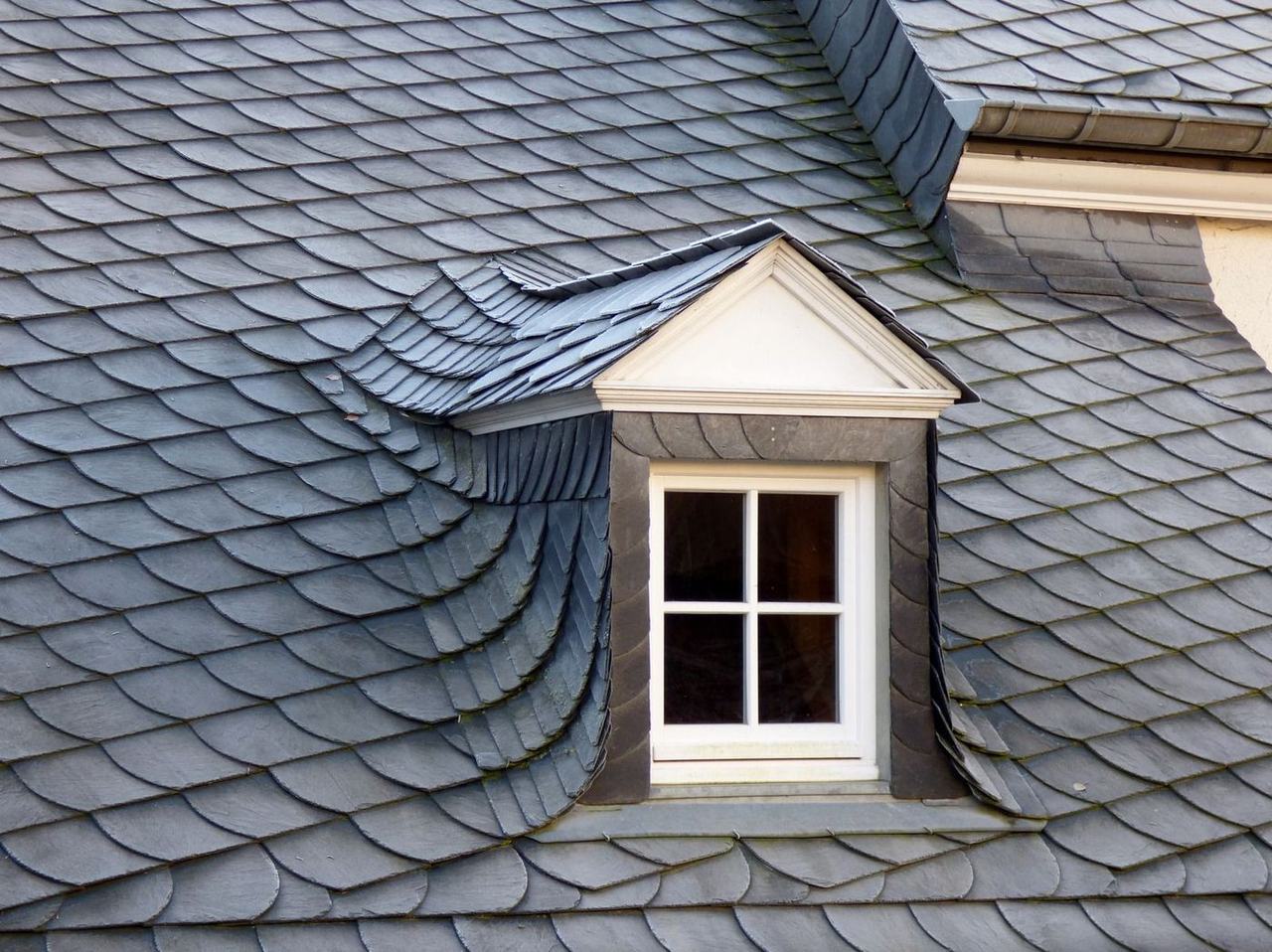
Why Slate Roofs Outlast Most Materials and What Homeowners Should Know Before Choosing One
June 29, 2026
Slate is the closest thing residential roofing has to a permanent roof, and homeowners drawn to it usually want one thing: to install a roof once and not think about it again. That promise largely holds. Slate often outlasts the structure it protects, with documented roofs serving a century or more while asphalt, metal and tile go through several replacements in the same span. For a homeowner planning to stay put long term, few materials come close. Slate also carries demands you should understand before committing.
The qualities that make slate last are tied to the ones that make it demanding. It is heavy, it needs specialized installation, and its upfront cost sits well above every common alternative. None of these rules it out, but each one belongs in the decision. A homeowner who chooses slate without knowing what it asks of the structure and the installer can end up with problems that have nothing to do with the stone itself.
Why Slate Lasts So Long
Dense Natural Stone
Slate is natural stone. Over geological timescales, heat and pressure compress fine grained sediment into dense, layered rock, and that origin explains how slate performs. The density that makes the stone hard to quarry also makes it nearly impervious to the forces that break down manufactured materials. Slate doesn't absorb water, break down under ultraviolet exposure or lose integrity through thermal cycling. With no petroleum binders to dry out and no granules or coatings to wear away, it stays in place and sheds water for decade after decade.
How Slate Compares With Other Materials
Asphalt shingles typically serve 20 to 30 years, and much less in harsh climates. Metal roofing generally lasts 40 to 70 years, and tile can reach 50 years or more with maintenance. Quality slate installations protect homes for 75 to 100 years. In practical terms, slate may be the last roof a home ever needs, while every alternative comes with a future replacement built in, and that changes how you should compare costs.
What Slate Requires of the Home and Installer
Weight and Structural Capacity
Slate is heavy. A slate roof can weigh several times more than an asphalt roof covering the same area, and the home's structure has to carry that load. Not every house can support slate without reinforcement, and assuming yours can without checking is a serious mistake. Have the framing evaluated before any slate goes on. For some homes the evaluation is a simple confirmation. For others it leads to structural reinforcement that adds to the scope and cost of the project.
Why Slate Needs an Experienced Installer
Slate installation is a specialized craft, and far fewer roofers know the material well than can install asphalt or tile. The stone has to be handled, cut and fastened in specific ways, and the flashing details that keep a slate roof watertight take real skill. A roof installed by someone learning on the job will leak at valleys, penetrations and transitions long before the stone wears out. The slate can last a century only if the person installing it knows the work.
Slate in the South Florida Climate
Performance Through Heat, Humidity, and Storms
The climate that wears out so many roofing materials has little effect on slate. Ultraviolet exposure that breaks down asphalt does nothing to stone, and the humidity that degrades other materials can't penetrate slate's dense surface. Storm performance matters most for any South Florida roof, and correctly installed slate is strong in storms. Dense, heavy slates resist the wind uplift that strips lighter materials during a hurricane, and the fastening methods used in high wind regions keep them secured. Installed properly, slate is among the most storm resistant options a homeowner can choose.
Weighing Cost Against Lifespan
Slate's price gives most homeowners pause. It carries the highest upfront cost of any common residential material, driven by the stone, its weight and the specialized labor. If you compare slate with asphalt on the initial quote alone, the gap looks large. Over the life of the roof, the comparison changes. A roof installed once that lasts a century competes against three or four cycles of asphalt replacement, and for a long term owner the lifecycle math can favor slate.
Deciding on a Slate Roof
Slate outlasts most roofing materials because of the nature of the stone. It handles the South Florida climate well, and it resists storms when installed correctly. The tradeoffs are its weight, the structural requirements that come with it, the specialized installation and the high upfront cost. For the right home and a homeowner who understands those demands, slate can be a decision made once that lasts for generations.
Apex Roofing Solutions brings 20 years of roofing experience across Miami-Dade and Broward Counties, including the specialized work that slate demands. We evaluate each home's structure, specify materials and fastening systems for the local climate and wind requirements, and install slate with the care the material needs to reach its full lifespan. Contact us to discuss whether slate is the right choice for your home.