What Sets TPO Roofing Apart for Flat Commercial Buildings in Coastal Heat
June 29, 2026
Flat and low slope commercial roofs in coastal South Florida wear out faster than roofs in inland climates. Strong sun, salt carried on the ocean breeze and surface temperatures far above the air temperature all shorten the life of a membrane that wasn't chosen for these conditions. The roof is one of the largest expenses on a commercial property, so picking the wrong system means paying for it twice. TPO has become a leading choice here because of how it handles coastal heat.
Thermoplastic polyolefin (TPO) is a single ply membrane that behaves differently from the asphalt based systems that used to dominate commercial roofing. Its reflective surface, welded seams and chemical resistance address the conditions coastal buildings face every year. Other flat roofing materials don't all share these traits, so if you are comparing TPO with modified bitumen, built up roofing or EPDM, it helps to know where the differences lie. You will see them in cooling bills, in how long the roof lasts and in how it holds up during a heavy summer storm.
Heat Reflection and Cooling Costs
How a Reflective Membrane Lowers Surface Temperature
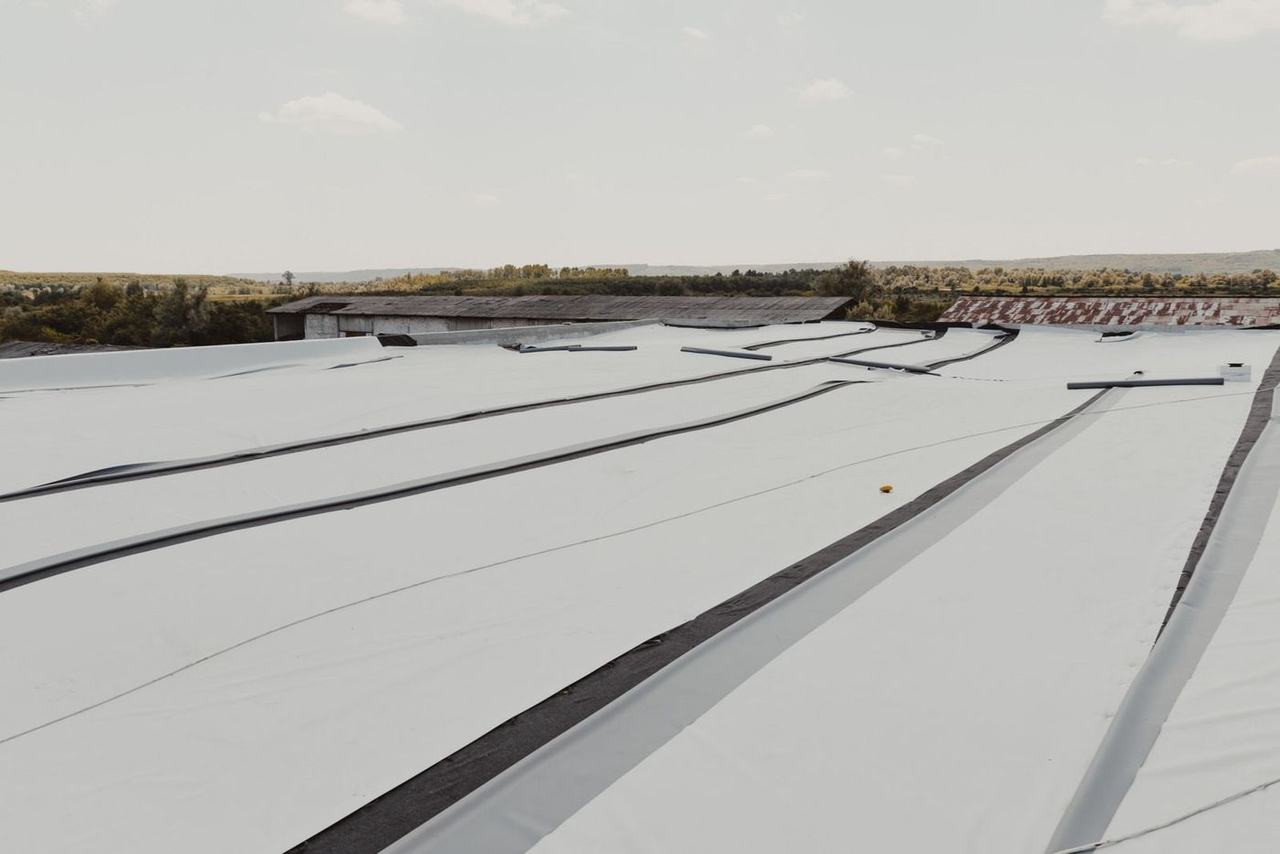
A dark membrane absorbs solar energy, heats to temperatures far above the surrounding air and pushes that heat into the building below. TPO's bright white surface reflects much of that radiation back into the sky before it turns into heat. On a flat roof sitting in full South Florida sun for most of the day, the difference can reach dozens of degrees, and it changes how hard the cooling system has to work in nearly every month of the year.
Coastal Sun Exposure and Cooling Load
Coastal South Florida gets some of the most sustained solar exposure in the country, and a flat roof has no slope or shade to soften it. In Miami-Dade and Broward Counties, where air conditioning runs almost year round, a reflective roof lowers the cooling load day after day. A cooling system that isn't fighting a superheated deck cycles less, draws less power and lasts longer. Over a service life measured in decades, those savings on a large commercial roof become a real part of the financial case.
Seam Strength and Material Durability
Heat Welded Seams
Seams, where two sections of membrane meet, are the weakest point on any flat roof. Installers join TPO seams by hot air welding, which melts the two edges into one continuous bond that is often stronger than the membrane itself. With no adhesive layer, the seam has nothing to dry out or peel apart after years of thermal cycling. Adhesive based seams tend to fail in hot, humid coastal weather, and welded TPO seams hold. If a wide roof protects inventory, equipment or occupied space, that difference can decide the choice.
Resistance to Salt, Chemicals, and Moisture
Near the coast, TPO resists the chemical and environmental exposures that wear down other roofing materials. Salt laden air corrodes fasteners and degrades many compounds over time, yet it has far less effect on a TPO surface. The membrane also stands up to ozone, ultraviolet radiation and the airborne pollutants that build up on commercial roofs. It doesn't absorb water, and when the roof is installed correctly, the welded construction gives wind driven rain no way in at seams or penetrations.
Installation and Service Life
Wide Rolls and Light Weight
Commercial flat roofs are often large, and TPO goes down efficiently across them. The membrane comes in wide rolls that cover area quickly, so a big project has fewer seams and a shorter timeline. Fewer seams mean fewer places for the roof to fail and less welding labor, which helps the budget and long term reliability. A single ply TPO system also weighs less than built up roofing or ballasted assemblies. That lighter load on the structure widens the range of buildings it suits, and on an occupied facility the quick installation keeps disruption low.
Long-Term Maintenance
A correctly installed TPO roof needs relatively little upkeep. It doesn't require recoating on the cycles some systems call for, and its smooth surface sheds debris and holds up to the ponding that wears down rougher materials. Routine inspections of seams, penetration seals and drainage form the core of a sound maintenance program, and they catch small problems while those problems are still small. In this environment, a quality membrane installed by an experienced contractor and given basic care can protect a commercial building for two to three decades.
Choosing TPO for a Coastal Commercial Building
TPO suits coastal commercial buildings because its strengths match what this environment does to a roof. The reflective surface cuts the heat load of a South Florida summer and lowers cooling costs on every sunny day. Welded seams resist the moisture and thermal stress that break down adhesive-based systems. The membrane tolerates salt, chemicals and ultraviolet exposure, and it installs efficiently over the large flat areas commercial buildings have. If you are comparing flat roofing options, those advantages show up in operating costs and in how long the roof goes before it needs work.
Apex Roofing Solutions brings 20 years of commercial flat roofing experience across Miami-Dade and Broward Counties. We install TPO systems designed for the heat, humidity and salt exposure of coastal South Florida, and we handle each project from membrane selection through final inspection. Contact us to discuss your commercial roofing project and how a properly installed TPO system could serve your building.