The Impact of Roof Color and Reflective Coatings on Cooling Bills in South Florida
November 26, 2025
In South Florida, where temperatures climb fast and stay high, your roof plays a bigger role in energy consumption than many property owners realize. The color and reflectivity of roofing materials directly influence how much heat your building absorbs each day. Darker roofs trap more solar radiation, causing indoor temperatures to rise and air conditioning systems to work harder. Lighter shades and reflective coatings, on the other hand, help maintain cooler interiors and reduce strain on cooling units. Understanding how roof color affects heat transfer is essential for lowering energy bills and creating a more efficient property.
1. How Roof Color Influences Heat Absorption
Color determines how much sunlight your roof holds onto. In hot climates like South Florida, dark roofs can reach temperatures well above 150°F during peak sun exposure. This trapped heat radiates into the building, forcing HVAC systems to compensate. Light-colored roofs—especially white or soft gray—reflect more sunlight and absorb less heat, resulting in noticeably cooler indoor environments.
2. The Role of Reflective Roof Coatings
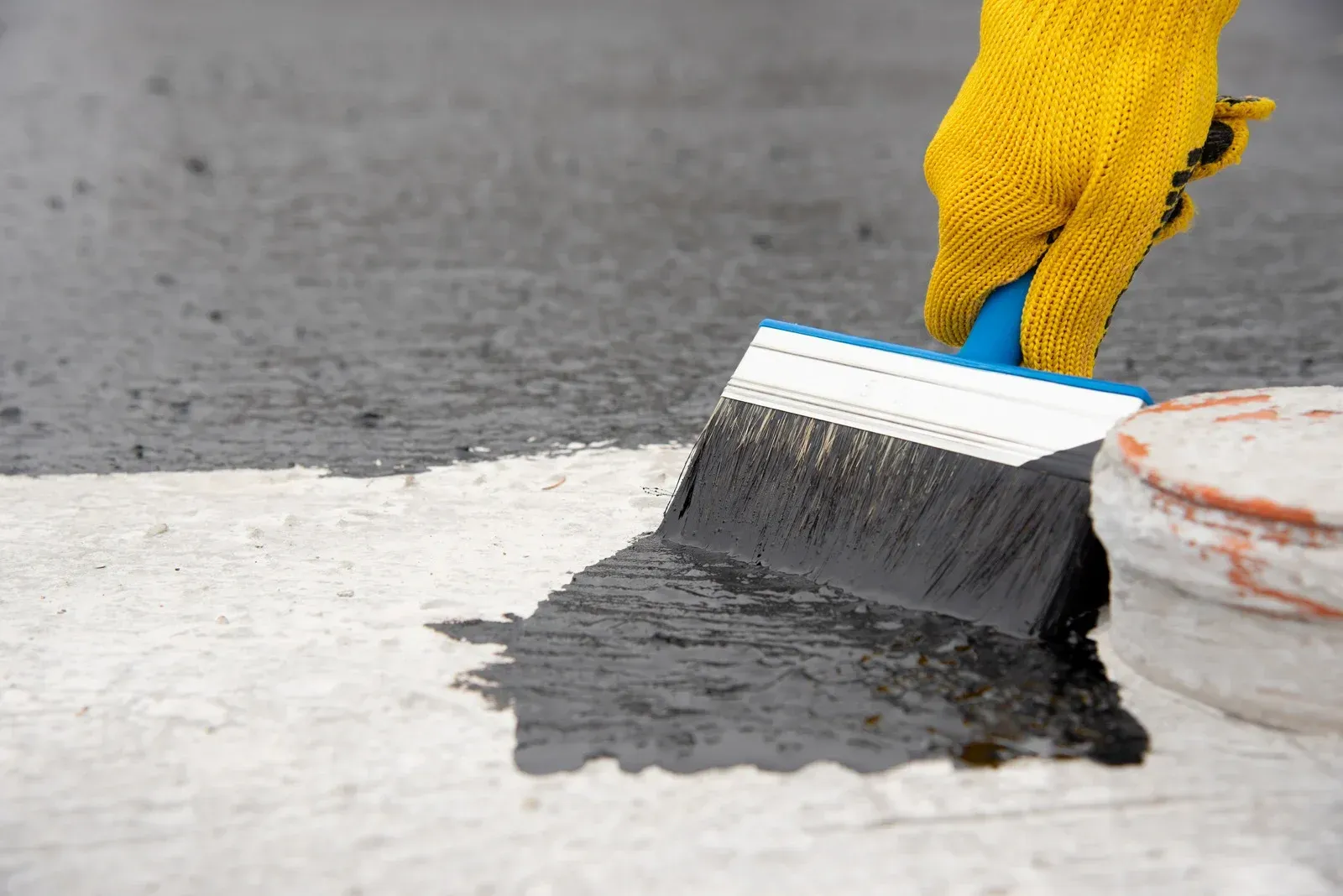
Reflective coatings are engineered to bounce solar radiation away from the roof surface. These coatings are often applied to flat or low-slope commercial roofs, but residential properties can benefit as well. By enhancing reflectivity and reducing thermal absorption, these coatings can lower roof temperatures by 20–30 degrees and significantly decrease cooling costs during the hottest months.
3. Energy Savings and Indoor Comfort
A reflective roofing system eases the load on HVAC equipment, allowing it to maintain comfortable indoor temperatures with less effort. This efficiency translates into lower monthly cooling bills, reduced wear on equipment, and longer system lifespan. For businesses and homeowners alike, a cooler interior also means better comfort and fewer hot spots throughout the building.
4. Environmental Benefits of Reflective Roofing
High temperatures contribute to urban heat island effects—areas where concrete, buildings, and pavement trap heat and push temperatures even higher. Lighter roofing materials and reflective coatings help combat this by reducing surface heat. When many properties use cool roofing, entire neighborhoods benefit from lower ambient temperatures and improved environmental sustainability.
5. Material Choices That Enhance Reflectivity
Property owners can choose from reflective tiles, metal roofing with factory-applied cool coatings, modified bitumen with reflective surfaces, or elastomeric coatings applied over existing roofs. Each option increases solar reflectance and thermal emittance, improving energy performance. Choosing high-quality materials and coatings ensures long-term durability and consistent cooling benefits.
6. Long-Term Cost Reduction
While cool roofing upgrades require an upfront investment, the long-term savings are substantial. Lower cooling bills, extended roof life, and reduced HVAC maintenance make reflective solutions a cost-effective choice. In a climate where heat dominates most of the year, energy-efficient roofing delivers year-round value.
Conclusion
In a region that faces relentless heat, roof color and reflective coatings are practical tools for cutting cooling expenses and creating a more efficient building. At Apex Roofing Solutions, we use 20 years of hands-on experience to help property owners across Miami-Dade and Broward Counties choose roofing systems that perform better and save more. Our team focuses on durable, energy-efficient solutions that reduce indoor heat, improve comfort, and lower monthly utility costs. If you’re ready to upgrade your roof for long-term savings, we’re here to help you make the smartest choice.