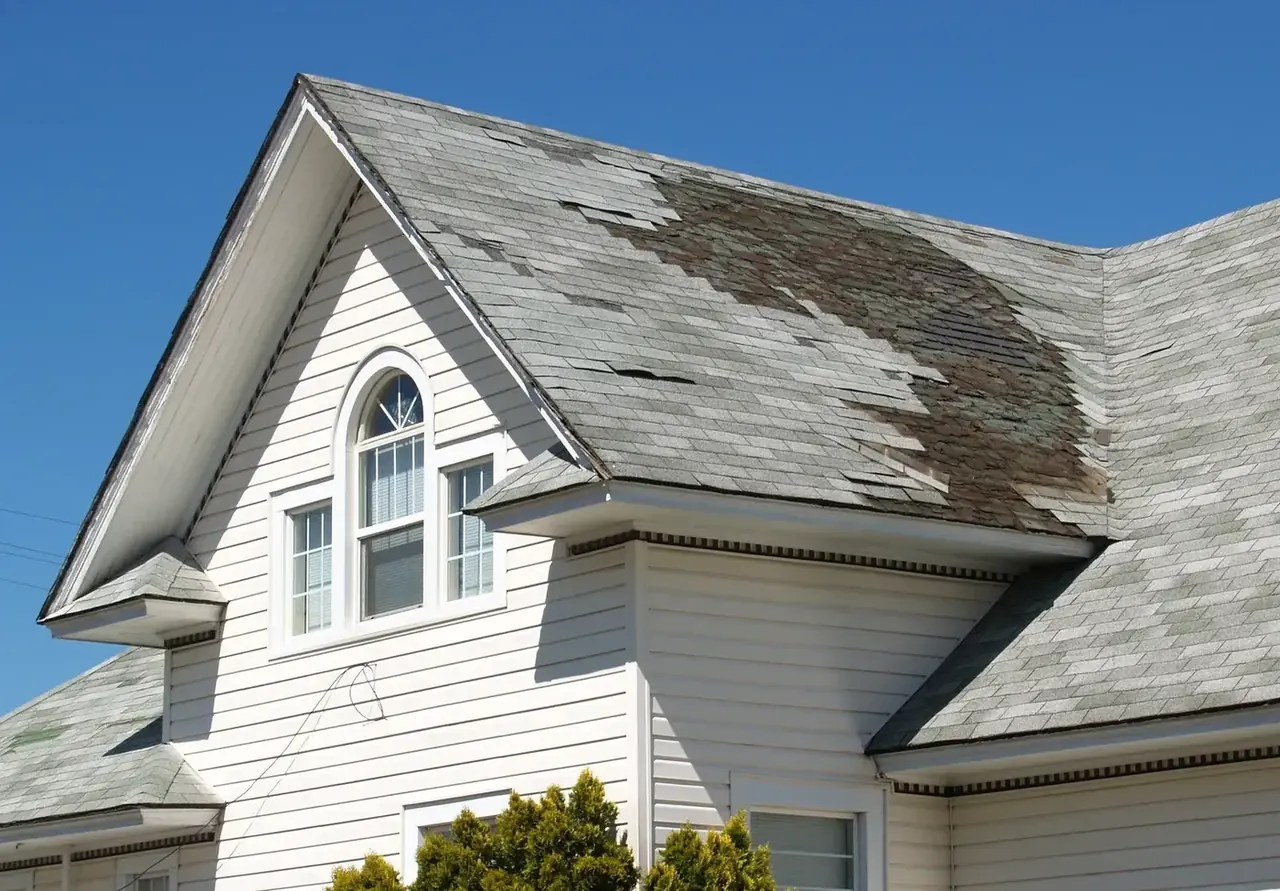
Salt-Air Damage 101: Protecting Roofs Near the Coast from Corrosion and Decay
September 25, 2025
Air near the ocean carries salt, and that salt travels inland, settles on roofs, and corrodes roofing materials over time. High humidity speeds up the wear and shortens the life of the roof. Without precautions, what looks like minor discoloration can turn into costly structural damage. The sections below explain how salt air affects roofs and how to protect them from corrosion and decay.
1. How Salt Air Damages Roofs
Ocean winds carry salt particles that cling to roofing surfaces. When moisture mixes with the salt, corrosion speeds up, especially on metal roofs, flashing, and fasteners. Concrete tiles and shingles can also break down early as salt weakens their protective surfaces. Years of exposure lead to rust, cracks, and leaks.
2. Materials Most at Risk
Some roofing materials handle salt air better than others. These are the most vulnerable:
- Metal roofing, flashing and fasteners, which corrode when salt and moisture sit on them
- Asphalt shingles, which wear out sooner in salty, humid air
- Concrete tiles, whose surface weakens with long salt exposure
- Gutters and other exposed metal hardware
3. Signs of Salt-Air Damage
Look for rust stains on gutters, discolored flashing, and patches of moss and algae growing in the humidity. Shingles may curl, tiles may crack, and metal parts may show visible corrosion. The early signs can be subtle, but they get worse quickly if you leave them alone.
4. Preventive Maintenance Strategies
Regular maintenance slows salt-air damage. Rinse the roof with fresh water from time to time to wash off salt deposits. Schedule annual inspections to catch early corrosion. Trimming nearby trees improves airflow and reduces moisture buildup.
5. Professional Inspections
DIY upkeep only goes so far. A professional inspection can find hidden damage before it needs a major repair. A roofer can replace corroded fasteners, reseal flashing, and recommend the protective treatments that work best for your roof type.
6. Long-Term Investment in Roof Durability
Preventive care takes effort and money, but it costs less than an early replacement. If you choose roofing materials designed for coastal conditions and keep up with routine care, your roof can stay strong for decades despite the salt air.
Coastal Roof Protection with Apex Roofing Solutions
Rinsing and regular inspections extend a coastal roof's lifespan and prevent costly decay. With 20 years of experience, Apex Roofing Solutions proudly serves homeowners across Miami Lakes, Miami-Dade County, and Broward County. Our team protects coastal homes from corrosion through inspections, maintenance, and installations suited to South Florida's climate. Contact us to have your roof checked for salt-air damage.