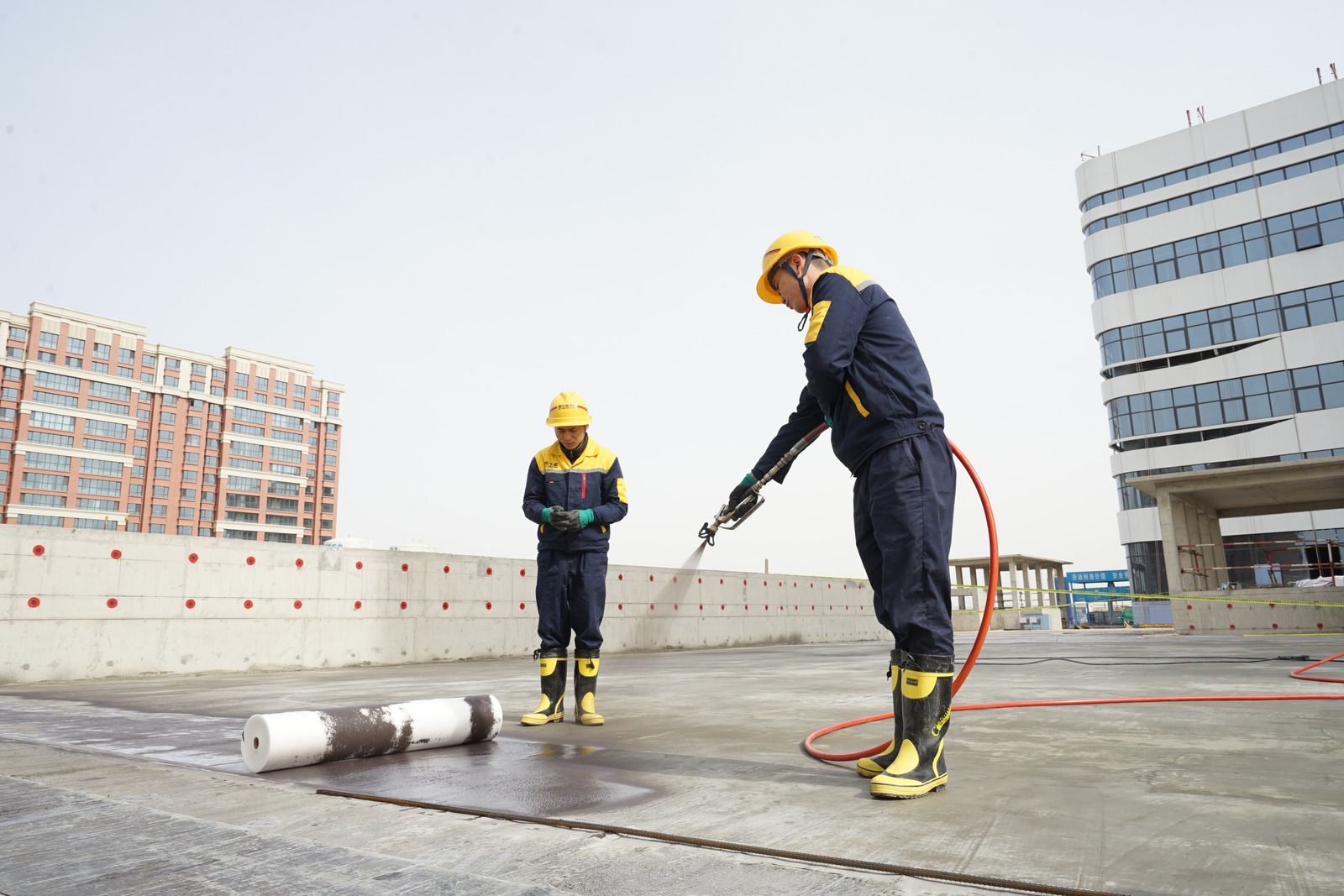
Salt Air and Coastal Roofs: How Waterproofing Defends Metal and Flat Surfaces From Corrosion
June 29, 2026
Properties along the South Florida coast enjoy a setting that comes with a hidden cost paid by the roof. The same ocean breeze that makes coastal living pleasant carries salt, and that salt settles on every exposed surface of a building day after day. For metal roofs and flat roof surfaces, with their fasteners, flashings, and seams, this constant salt exposure is a relentless corrosive force that breaks down materials from the moment they are installed. A roof that would last decades inland can deteriorate noticeably faster within sight of the water if it is not protected against the specific threat salt air represents.
Waterproofing is one of the most effective defenses a coastal roof has against this corrosion, and understanding how it works changes how owners protect their investment. Salt does its damage in combination with moisture, and a roof surface that is properly waterproofed denies the salt the conditions it needs. This is not a one time treatment that solves the problem forever, but an ongoing part of coastal roof care that, applied and maintained correctly, adds years to a metal or flat roofing system. Knowing how salt attacks a roof and how waterproofing defends it helps owners get the full lifespan they paid for.
How Salt Air Attacks Coastal Roofs
The Chemistry Behind Salt Driven Corrosion
Salt accelerates corrosion through a process that depends on moisture, which is why coastal humidity makes the threat so much worse. When salt particles settle on metal and combine with the moisture in humid air, they create an electrolyte solution that sharply speeds the reaction behind rust. The salt does not need to be visible to do damage. A thin, ongoing deposit, refreshed constantly by the sea breeze and kept active by humidity, keeps a corrosive environment against the roof around the clock. On a coastal roof the metal is under continuous attack, and deterioration runs many times faster than just a few miles inland.
Where Coastal Roofs Break Down First
Corrosion does not attack a roof evenly. It concentrates where metal is exposed and moisture lingers, and those spots are where coastal failures begin. Fasteners are often the first casualties, because the screws and connections holding a roof together present concentrated points of exposed metal. As they corrode, they loosen their grip and open gaps where water can enter. Flashings, seams, and transitions are next, since these are where the roof relies on metal and sealed joints to keep water out. Corrosion there compromises exactly the part responsible for waterproofing the most vulnerable points of the roof.
How Waterproofing Defends Against Corrosion
Protecting Metal Roofing Systems
Waterproofing coatings on metal roofing create a barrier that separates the vulnerable metal from the salt and moisture working to corrode it. A quality coating seals the surface, keeping the salt and moisture solution from reaching the material and starting the process. For a coastal metal roof, this is one of the most effective ways to extend the system's life, because it addresses the threat at its source. The coating takes the punishment the metal would have taken. Proper application reaches the fasteners and seams where corrosion usually begins, shielding the connections that would otherwise be the first to fail.
Defending Flat Roof Surfaces and Seams
Flat roofs face the salt threat at their metal edge details, drains, penetration flashings, and seams. Waterproofing defends them by maintaining a continuous barrier across the points where the system is most vulnerable. A membrane or coating that covers the surface and extends into the flashings and transitions keeps salt and moisture from reaching the metal and the seams. On a flat roof where standing water gives salt extended contact time, that continuous protection matters even more. It also guards against the combined assault of corrosion and water intrusion during the rainy season, keeping the surface continuous and the transitions sealed.
Keeping the Protection Effective Over Time
Inspection and Catching Problems Early
Waterproofing is not permanent, and salt air works against it continuously, which makes regular inspection a necessary part of coastal roof care. Over time even a quality coating wears, and the points where it thins are where corrosion resumes its attack. Routine professional inspections catch that wear before corrosion takes hold, while the underlying materials are still sound. Inspections focus on the same vulnerable points where corrosion concentrates: the fasteners, seams, flashings, and transitions. Catching a small area of coating failure early allows a targeted repair before the problem spreads into widespread damage that forces a premature replacement.
Why Professional Application Matters
The effectiveness of waterproofing depends heavily on how well it is applied, and this is not work that forgives shortcuts. The surface must be prepared properly, the coating applied at the correct thickness, and every detail at the fasteners, seams, and flashings addressed without gaps. Applied carelessly, the system leaves exactly the weak points salt corrosion exploits. A contractor experienced with coastal conditions knows which points need the most attention, which materials hold up best locally, and how to apply the protection so it lasts. The material matters, but the expertise applying it matters just as much for the full protective value.
Coastal Roof Protection That Holds
Salt air is a constant and underestimated threat to coastal roofs, attacking metal surfaces, fasteners, seams, and flashings through a corrosive process the humidity only accelerates. Waterproofing stands as one of the most effective defenses, creating a barrier that denies salt and moisture access to the materials they would break down. On both metal and flat roofing systems, properly applied and maintained waterproofing protects the most vulnerable points, extends the service life of the roof, and defends against the combined assault of corrosion and water intrusion that coastal properties face year round. Maintaining it through regular inspection and professional application is what lets a coastal roof reach its full lifespan.
Apex Roofing Solutions brings 20 years of coastal roofing experience across Miami-Dade and Broward Counties, where salt air and corrosion are realities every roof has to withstand. We apply waterproofing systems engineered to defend metal and flat roofs against the specific corrosion threats of the coastal environment, protecting the fasteners, seams, and flashings where deterioration begins. Our team understands how salt and moisture work against a roof here and what it takes to keep that protection effective. Contact us today to schedule a coastal roof evaluation and learn how proper waterproofing can defend your roofing investment.