Metal vs. Tile vs. Shingle: What Lasts Longest in Coastal Climates?
September 25, 2025
Homes along the South Florida coast put roofs through some of the toughest conditions in the country. Salt air, high humidity, and the threat of hurricanes all wear down roofing materials. Durability matters as much as appearance when you choose a roof here, and metal, tile, and shingle roofs differ widely in how long they last near the coast.
1. Metal Roofs: Strength and Longevity
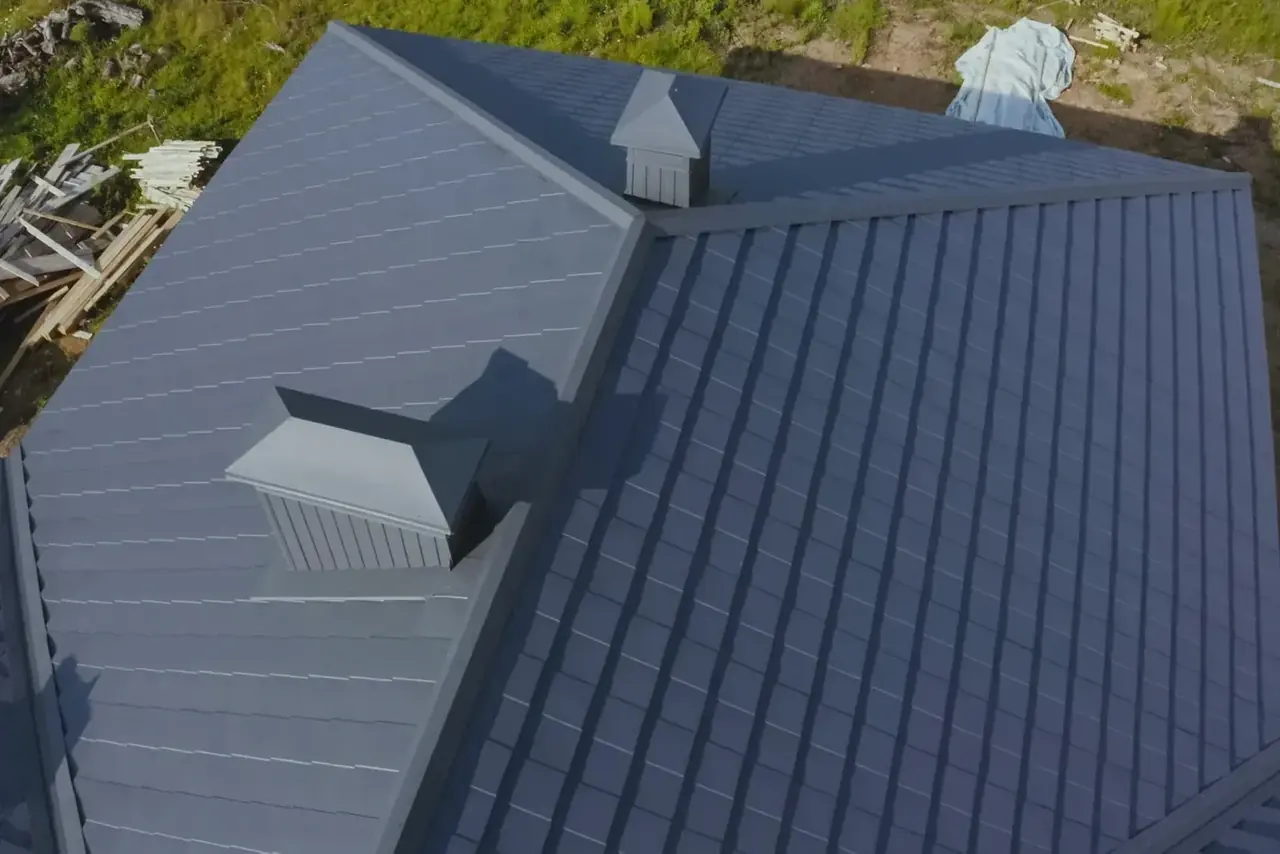
Metal roofs hold up well in storm-prone coastal areas. They resist wind uplift, are less likely to crack, and often come with protective coatings that guard against corrosion from salt air. With proper maintenance, a metal roof can last 40 to 70 years. Metal can cost more up front, and without high-quality coatings, rust can become a problem over time.
2. Tile Roofs: Classic Look and Long Life
Clay and concrete tile roofs are popular in South Florida for their durability and appearance. Tile resists rot, insect damage, and salt air, so it suits coastal conditions. With proper care, a tile roof can last 50 to 100 years. Tile is heavy, though, and the roof needs a strong supporting structure. Individual tiles can crack under impact, but they are usually easy to replace.
3. Shingle Roofs: Affordable but Shorter Lifespan
Asphalt shingles are the most common roofing option because they are affordable and versatile. Modern shingles are designed to resist wind and UV rays, but they don't hold up as well against salty, humid coastal air. In coastal climates, shingle roofs last 15 to 25 years on average, far less than metal or tile. They cost less at the start and need more frequent maintenance and replacement.
4. Cost vs. Longevity Considerations
Upfront price and lifespan pull in opposite directions:
- Shingles cost the least upfront but last 15 to 25 years near the coast
- Metal costs more upfront and can last 40 to 70 years with proper maintenance
- Tile needs a strong roof structure and can last 50 to 100 years with proper care
Spread over the life of the house, a roof you replace once can cost less than a cheaper roof you replace two or three times.
5. Environmental and Insurance Factors
Insurers in coastal regions often favor roofs with high wind and impact ratings, which can lower premiums. Metal and tile roofs usually qualify for discounts because of their durability. Both materials also have environmental advantages: tile is a sustainable material, and metal is often made from recyclable materials.
6. Which Roof Lasts Longest?
Tile roofs last the longest in most cases, often more than 75 years with proper care. Metal roofs come next and provide decades of protection, while shingles have the shortest life in harsh coastal conditions. The best choice for your home depends on your budget, the structure of the house, and your long-term goals.
Choosing a Roof with Apex Roofing Solutions
Coastal roofs have to withstand salt, storms, and constant exposure. Shingles remain a popular, affordable option, and metal and tile last longer for homeowners who want to protect their investment. With 20 years of experience, Apex Roofing Solutions proudly serves Miami Lakes, Miami-Dade County, and Broward County, providing expert guidance, installations, and repairs tailored to South Florida's unique environment. Our team can help you pick the right material for your home.