How Storms Affect Your Roof: What Homeowners Should Know
February 28, 2026
Storms are one of the most common causes of roof damage, especially in South Florida, where heavy rain, strong winds and flying debris arrive every season. Some damage shows right away. Much of it develops beneath the surface, and even one severe storm can weaken roofing components in ways you won’t notice at first.
Knowing how wind, rain, hail and debris affect a roof helps you act in time and avoid larger repairs later.
Wind Damage and Shingle Uplift
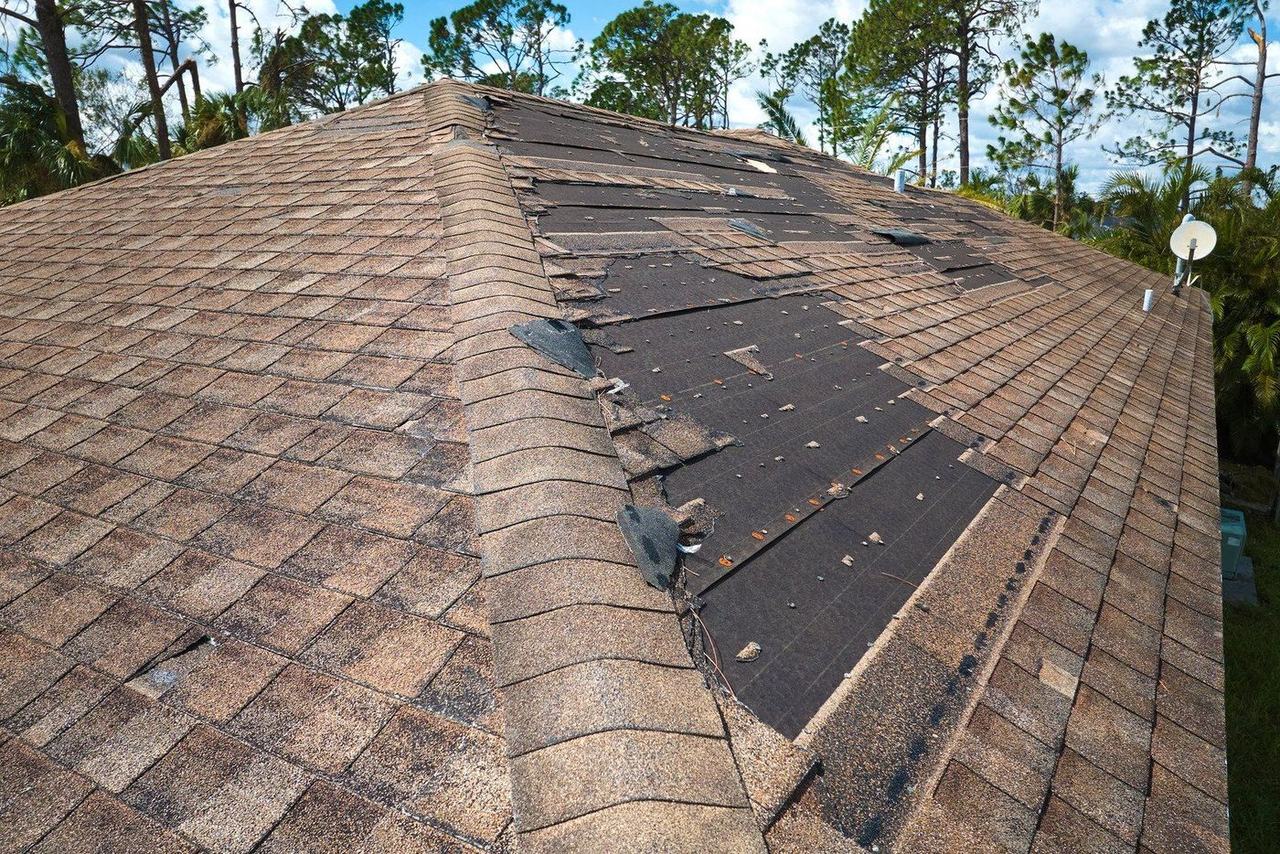
High winds often do the most damage in a storm. Wind moving across the roof creates pressure changes that can lift shingles or tiles out of place. Once the edges loosen, wind gets underneath and pulls the materials further apart.
A shingle that lifts partway without blowing off can still break the adhesive seal that holds it down, which leaves the roof open to water in the next rain. Repeated wind exposure also weakens attachment points and makes the roof less stable over time.
After strong winds, look for missing, curled or misaligned shingles. They are early signs of storm stress.
Heavy Rain and Water Intrusion
Roofs are designed to shed water, but heavy rain exposes weak spots. If wind has loosened shingles or shifted the flashing, rainwater can get in through small openings.
Water that gets in doesn’t always cause an interior leak right away. Often it seeps beneath the roofing materials and soaks the underlayment or decking, and that trapped moisture can lead to wood rot, mold growth and structural weakening.
Persistent dampness in the attic, discolored ceilings or unexplained moisture stains may mean stormwater has gotten through the roof’s protective layers.
Hail Impact and Surface Damage
Hailstorms vary in intensity, but even small hailstones can damage a roof surface. Hail can bruise roofing materials or leave small fractures that are hard to see from the ground.
On asphalt shingles, hail can knock loose the protective granules and expose the layer underneath to faster wear. Tile roofs may develop hairline cracks that grow over time.
Hail damage may not cause a leak right away, but it weakens the material and shortens its lifespan. You often need a professional inspection to find subtle impact damage before it gets worse.
Flying Debris and Structural Stress
Storm winds carry branches, palm fronds and loose outdoor objects that can puncture or crack roofing materials when they hit. Larger debris can knock shingles or tiles off entirely and expose the underlayment and decking. An impact mark that looks minor may still hide structural stress.
Clear debris promptly and check the roof for damage. If you leave impact areas alone, moisture can get into the weakened sections.
Flashing and Sealant Failure
Flashing protects the vulnerable areas around chimneys, vents, skylights and roof valleys. Storm winds and heavy rain strain these components, loosening sealants and lifting flashing edges slightly. A small gap is enough to let water in.
Flashing damage is often subtle and easy to miss, yet damaged flashing is one of the leading causes of leaks after a storm. Have these areas inspected carefully after severe weather.
Gutter and Drainage System Damage
Gutters carry water away from the roof and foundation, and a storm’s heavy rain and debris can clog or damage them. A detached or blocked gutter can overflow and push water back under the roof edge, causing fascia damage, wood rot and weakened components along the perimeter. After a storm, make sure the gutters are secure and clear.
Hidden Damage After the Storm
Some storm damage takes time to show. Small cracks, loosened fasteners and damaged underlayment may not produce outward signs for weeks or months. Homeowners sometimes assume a roof with no missing shingles came through fine, but stress from wind pressure or moisture can keep getting worse. A professional inspection finds hidden damage early, while it is still a small repair.
When to Schedule a Roof Inspection
Schedule a professional roof inspection after any major storm. An experienced roofer can assess both visible and underlying damage, and early detection allows targeted repairs that extend the roof’s life. If you wait until leaks appear inside, repairs are usually larger and cost more. In storm-prone areas, routine inspections also protect your property value.
Storm Damage Inspections From Apex Roofing Solutions
Storms are a regular part of life in South Florida. If you know how wind, rain, hail and debris damage a roof, you can respond quickly and limit the long-term damage.
Apex Roofing Solutions inspects roofs for both visible and hidden storm damage. Our team checks the roofing materials, flashing and structural components to confirm your roof is still sound.
Apex Roofing Solutions works on homes and businesses. Schedule an inspection after a storm to find damage before it spreads.