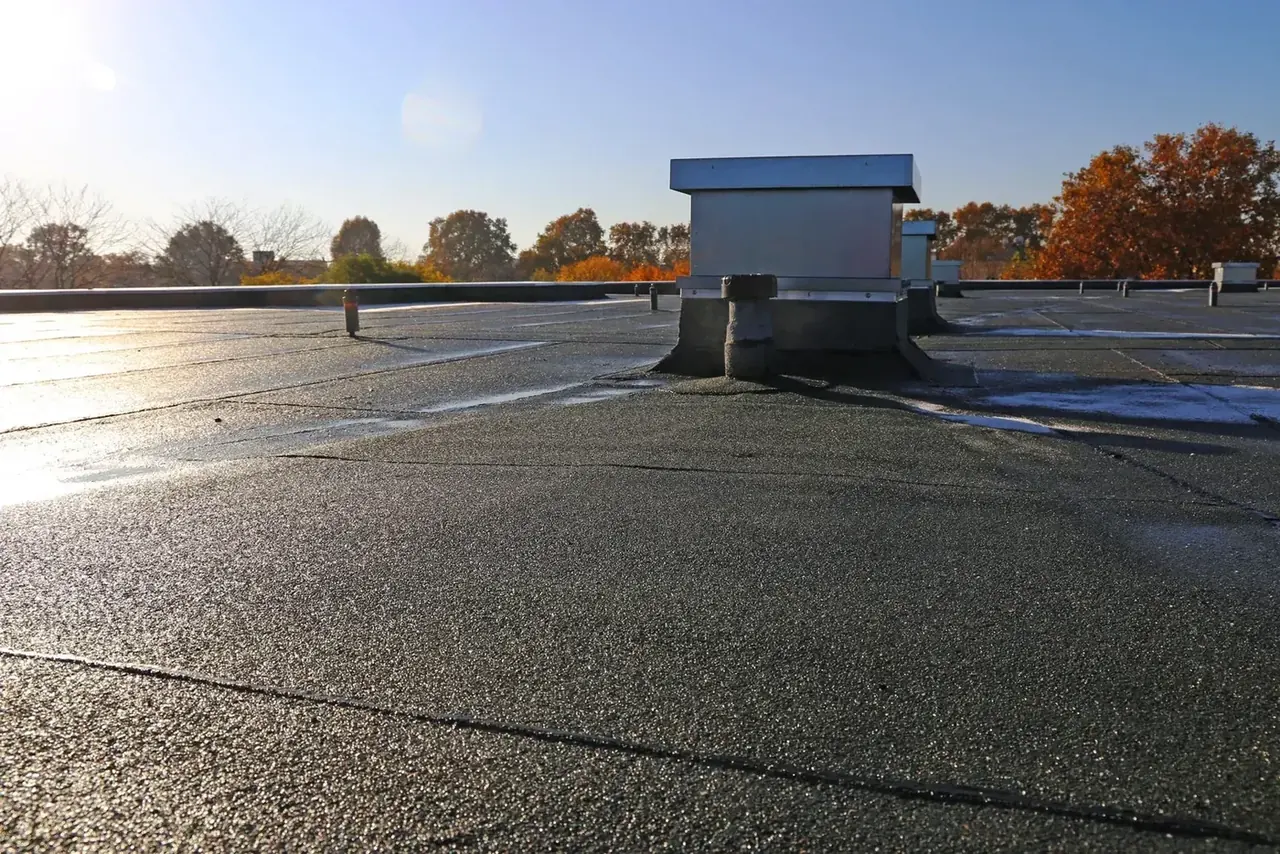
Flat Roof Maintenance Mistakes That Shorten Roof Life
December 30, 2025
Flat roofs are popular on homes and commercial buildings for their modern look, easy access and efficient use of space. They need a different maintenance approach than pitched roofs, though, and mistakes made along the way, often without the owner realizing it, can cut a flat roof's lifespan sharply.
Storms and material defects cause some flat roof failures, but many start with overlooked maintenance problems that weaken the system over time. Knowing the most common mistakes helps you avoid early deterioration, expensive repairs and unexpected structural damage.
1. Ignoring Standing Water After Rainfall
A flat roof is built to drain, but even a small drainage problem can cause ponding. Water that sits on the surface for long periods breaks down roofing materials faster and puts extra stress on seams and membranes.
Standing water softens roofing materials and weakens adhesives, and it lets moisture seep into the layers below. Eventually that leads to leaks and damage to the structural deck. Look for water marks, algae growth, or spots where water still collects long after the rain has stopped.
2. Delaying Repairs for Small Surface Damage
A small puncture, blister or crack in the membrane can look harmless. Those openings let moisture into the roofing system, where it spreads under the surface.
Trapped moisture weakens insulation, corrodes fasteners and damages the roof deck. If you put off the repair, the damage keeps growing out of sight until leaks show up across the roof. Early signs include bubbling membranes, soft spots underfoot and small cracks near seams.
3. Neglecting Roof Seams and Edges
Seams and edges are among the weakest points on any flat roof. Temperature changes make them expand and contract constantly, so they are more likely to separate over time.
Once seams loosen or edge flashing deteriorates, water will almost certainly get in. This kind of failure usually develops gradually, which makes it easy to miss. Watch for lifting seams, cracked sealant and moisture along the roof perimeter.
4. Poor Drain and Gutter Maintenance
Flat roofs depend on internal drains, scuppers or perimeter gutters to move water off the roof. When debris clogs them, water backs up onto the surface.
Blocked drainage leads to ponding and puts extra weight on the structure. That stress speeds up membrane failure and can affect load-bearing components. Overflowing drains, sagging sections of roof and water stains near drainage points are problems to deal with right away.
5. Walking on the Roof Without Protection
People go up on flat roofs to service HVAC units and other equipment or to inspect the roof. Frequent foot traffic without precautions can damage the membrane.
Tools, sharp footwear and repeated pressure can puncture or wear down the surface and weaken its waterproofing, and moisture then gets in through those weak points. Scuffs, dents or worn paths across the roof show that foot traffic is too heavy or unprotected.
6. Skipping Regular Professional Inspections
A common and damaging mistake is assuming that a flat roof doesn't need inspection as long as it isn't leaking. Many flat roof problems develop under the surface and stay hidden until the damage is serious.
A professional inspection finds early problems such as trapped moisture, seam separation or deteriorating insulation before they get worse. Without routine inspections, small issues tend to go unnoticed until the roof needs major repairs or full replacement.
7. Improper Repairs or Temporary Fixes
Quick fixes with incompatible materials or the wrong technique often do more harm than good. The wrong sealant, a patch applied without proper preparation, or materials layered incorrectly can trap moisture and speed up deterioration.
Use a temporary repair only as a stopgap until a professional can do the work. Signs of a failed fix include recurring leaks, stiff or cracked patches, and repairs that give out after a short time.
8. Failing to Address Roof Penetrations
Most flat roofs have penetrations for vents, pipes, skylights and mechanical equipment. These spots need careful sealing and regular inspection. If you ignore them, water gets in through weakened seals and spreads under the membrane.
Discolored flashing, cracked sealant or moisture near a penetration means maintenance is overdue. Fixing these problems promptly keeps moisture away from the roof deck and the interior structure.
Conclusion
A well-maintained flat roof is durable, but small mistakes can shorten its life considerably. Ignored drainage problems, delayed repairs, skipped inspections and improper repair methods all lead to early roof failure.
At Apex Roofing Solutions, we bring over 20 years of experience serving Miami-Dade and Broward Counties, helping property owners protect their flat roofs through professional maintenance and timely repairs. Our work centers on finding problems early and doing each repair with care.
Avoiding these maintenance mistakes is one of the most effective ways to extend a flat roof's life. With regular care and professional oversight, a flat roof can protect your property for many years.